Samsung’s journey from groceries to smartphones

Trending Now
When you think of Samsung, sleek smartphones and cutting-edge technology probably come to mind. However, this tech giant’s roots are far from the digital realm.
Founded in 1938, Samsung started as a small trading company in South Korea. It’s fascinating to see how a business that began with dried fish and noodles evolved into a leader in the electronics industry.
The Birth of a Business: Samsung’s Early Days

Samsung’s early days were humble, with its founder Lee Byung-chul starting the company with just 30,000 won. The company initially focused on exporting goods produced in and around the city of Daegu.
The small trading firm was primarily involved in selling dried-fish, locally-grown groceries, and noodles. These modest beginnings laid the foundation for what would become one of the world’s largest conglomerates.
From Groceries to Gadgets: A Unique Evolution

The transformation from groceries to gadgets wasn’t instantaneous. Samsung spent decades diversifying its business interests. By the late 1960s, the company had ventured into various industries, including textiles and insurance.
It wasn’t until 1969 that Samsung Electronics was established, marking its official entry into the tech world. This shift was driven by a vision to explore new markets and capitalize on emerging technologies, setting the stage for its future success.
Samsung’s Humble Beginnings in 1938

In 1938, Samsung was founded in the city of Su-dong, now part of modern-day South Korea. The company started with just 40 employees, focusing on local trade. The name ‘Samsung’ means ‘three stars’ in Korean, symbolizing something big, numerous, and powerful.
This humble beginning was a far cry from the tech behemoth we know today, but it was the first step in a journey that would transform the company into a global leader.
Venturing into Textiles: Samsung’s Next Step

In the 1950s, Samsung ventured into the textile industry, establishing the largest woolen mill in Korea. This move was part of a broader strategy to diversify its business interests.
The textile division not only contributed to the company’s financial stability but also helped Samsung gain valuable experience in manufacturing and production. This experience would later prove invaluable when the company transitioned into electronics and other high-tech industries.
Expanding Horizons: Samsung Enters the Insurance Industry

Samsung’s foray into the insurance industry was another strategic move in its diversification plan. In 1958, Samsung entered the insurance industry by acquiring Ankuk Fire & Marine Insurance, which later became part of what is now Samsung Fire & Marine Insurance.
This venture into financial services showcased Samsung’s ability to adapt and thrive in different markets, further solidifying its reputation as a versatile and resilient business entity.
The Leap into Electronics: A Game-Changer

The establishment of Samsung Electronics in 1969 marked a turning point for the company. Initially producing black-and-white televisions, Samsung quickly expanded its product line to include home appliances and telecommunications equipment.
This leap into electronics was a game-changer, propelling Samsung onto the global stage. By investing heavily in research and development, Samsung positioned itself as a leader in innovation, setting the stage for its future dominance in the tech industry.
How Samsung Became a Household Name
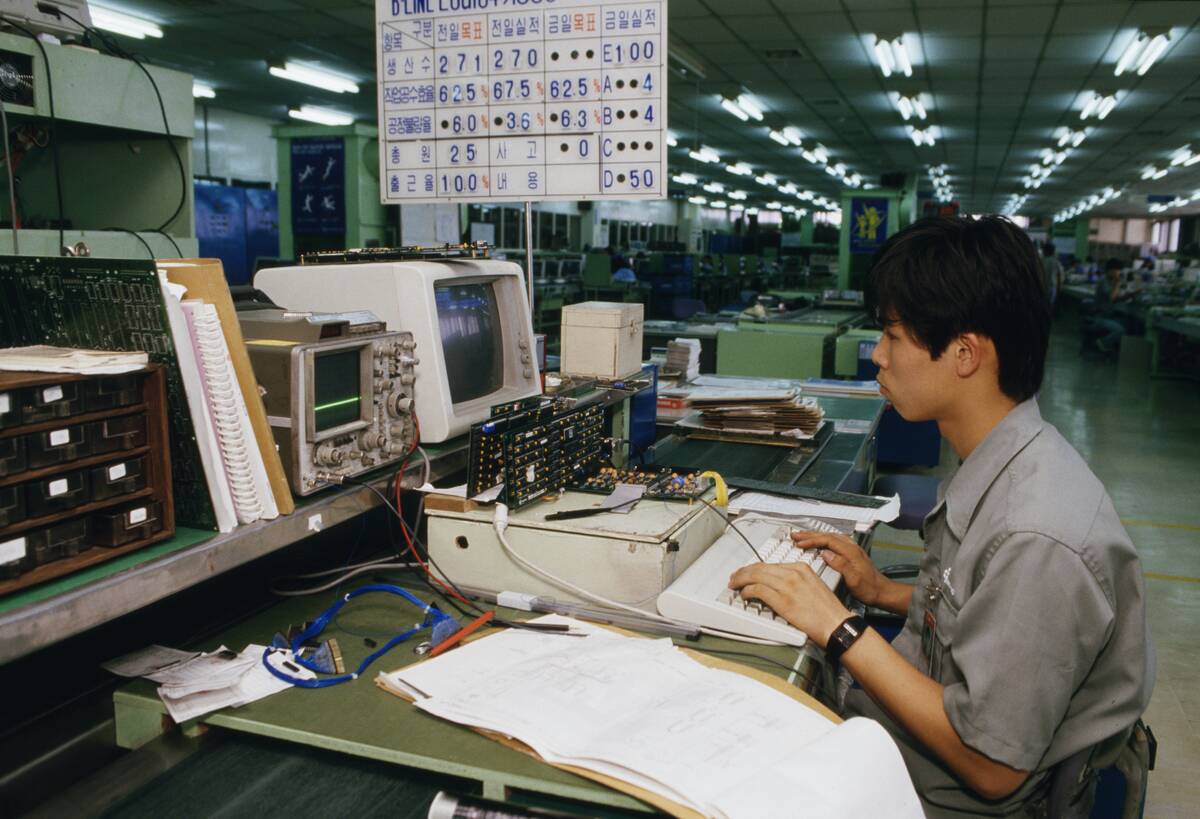
Samsung became a household name through a combination of innovation, quality, and strategic marketing. By the 1990s, Samsung was producing cutting-edge electronics that rivaled those of established Western brands.
The company’s commitment to quality and its aggressive marketing campaigns helped it gain a foothold in international markets. Today, Samsung is synonymous with high-quality electronics, a testament to its relentless pursuit of excellence and customer satisfaction.
The Role of Innovation in Samsung’s Growth

Innovation has been at the heart of Samsung’s growth strategy. The company invests billions annually in research and development, ensuring it stays ahead of technological trends. This commitment to innovation has led to groundbreaking products like the Galaxy smartphone series and QLED televisions.
Samsung’s focus on cutting-edge technology has not only driven its success but also set industry standards, influencing the direction of the global electronics market.
Samsung’s Impact on South Korea’s Economy
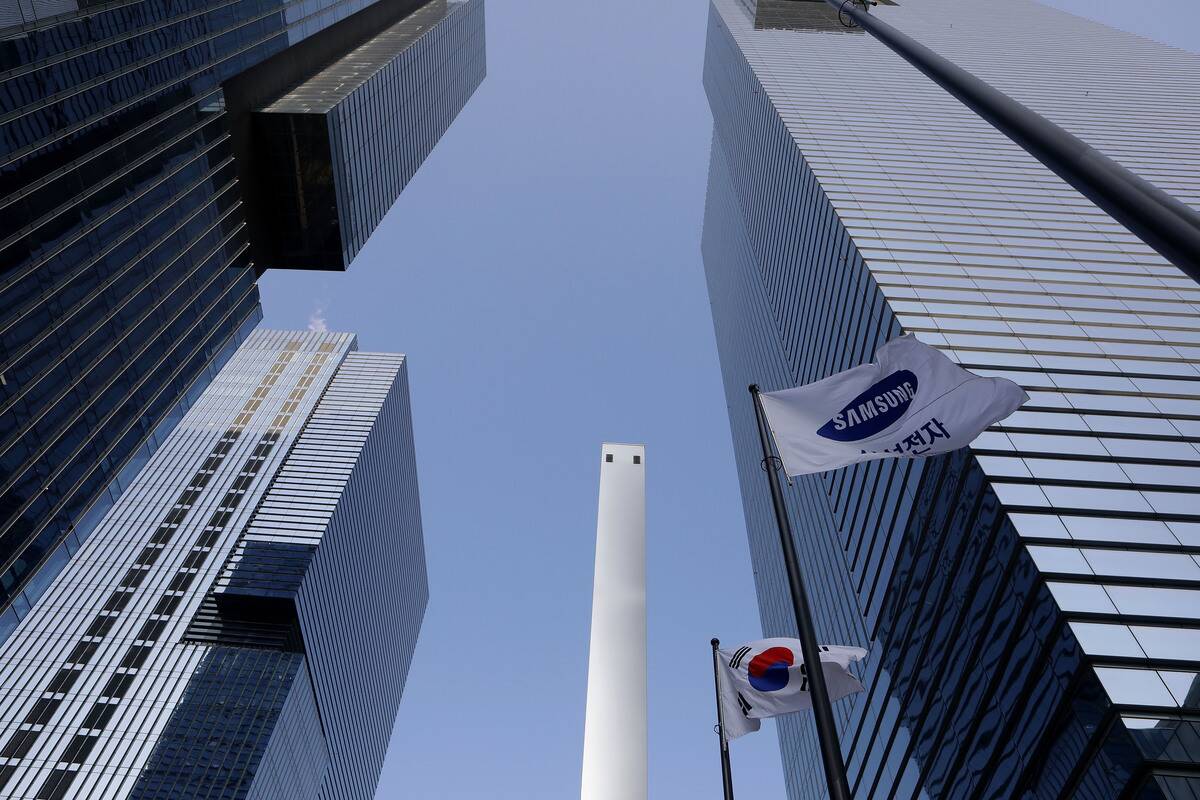
Samsung’s impact on South Korea’s economy is profound. As one of the country’s largest conglomerates, Samsung accounts for a significant portion of South Korea’s GDP. The company’s success has spurred economic growth, created jobs, and fostered innovation across various industries.
Samsung’s influence extends beyond business, playing a pivotal role in shaping South Korea’s global image as a leader in technology and innovation.