How LEGO came back from the brink of bankruptcy

Trending Now
LEGO, a brand synonymous with creativity and play, has had a rollercoaster journey through the decades. From its humble beginnings in a small Danish workshop to becoming a global icon, LEGO has seen its fair share of ups and downs.
The company’s resilience and ability to adapt have been key to its survival and resurgence.
The Early Days: Building Blocks of Success

Founded in 1932 by Ole Kirk Christiansen, LEGO started as a small carpenter’s workshop in Billund, Denmark. Initially producing wooden toys, the company transitioned to plastic bricks in 1949.
These interlocking bricks laid the foundation for LEGO’s success. The name LEGO is derived from the Danish words ‘leg godt,’ meaning ‘play well,’ which perfectly encapsulates the brand’s ethos. By the 1950s, LEGO bricks had gained popularity, setting the stage for future growth.
The Golden Era: LEGO’s Expansion and Popularity

The 1960s and 70s marked a golden era for LEGO, as the company expanded its product line and international reach. The introduction of the iconic LEGO minifigure in 1978 revolutionized playtime, allowing children to create stories and characters.
During this period, LEGO sets became more intricate, sparking the imaginations of kids and adults alike. The company opened its first LEGOLAND theme park in 1968, further cementing its status as a beloved brand worldwide.
Trouble in Toyland: Signs of Financial Strain

Despite its success, LEGO began to show signs of financial strain in the late 1990s. The company had overextended itself with too many product lines, leading to increased complexity and costs. As competition in the toy industry intensified, LEGO struggled to maintain its market share.
The company’s financial woes were exacerbated by the rise of digital entertainment, which began to capture the attention of children worldwide. It was clear that LEGO needed to rethink its strategy.
The 1990s: A Decade of Decline

The 1990s were a challenging time for LEGO, as the company faced declining sales and mounting debt. The proliferation of video games and electronic toys posed a significant threat to LEGO’s traditional brick sets.
In an attempt to diversify, LEGO ventured into new areas such as video games and theme parks, but these efforts did not yield the desired results. By the end of the decade, LEGO was on the brink of bankruptcy, prompting urgent calls for change.
The Impact of Digital Revolution on Traditional Toys

The digital revolution of the late 20th century had a profound impact on traditional toys, including LEGO. As video games and online entertainment grew in popularity, children’s play preferences shifted.
LEGO faced stiff competition from digital platforms that offered interactive and immersive experiences. To stay relevant, LEGO had to find a way to integrate digital elements into its products while staying true to its core values of creativity and hands-on play.
Leadership Changes: A New Direction for LEGO
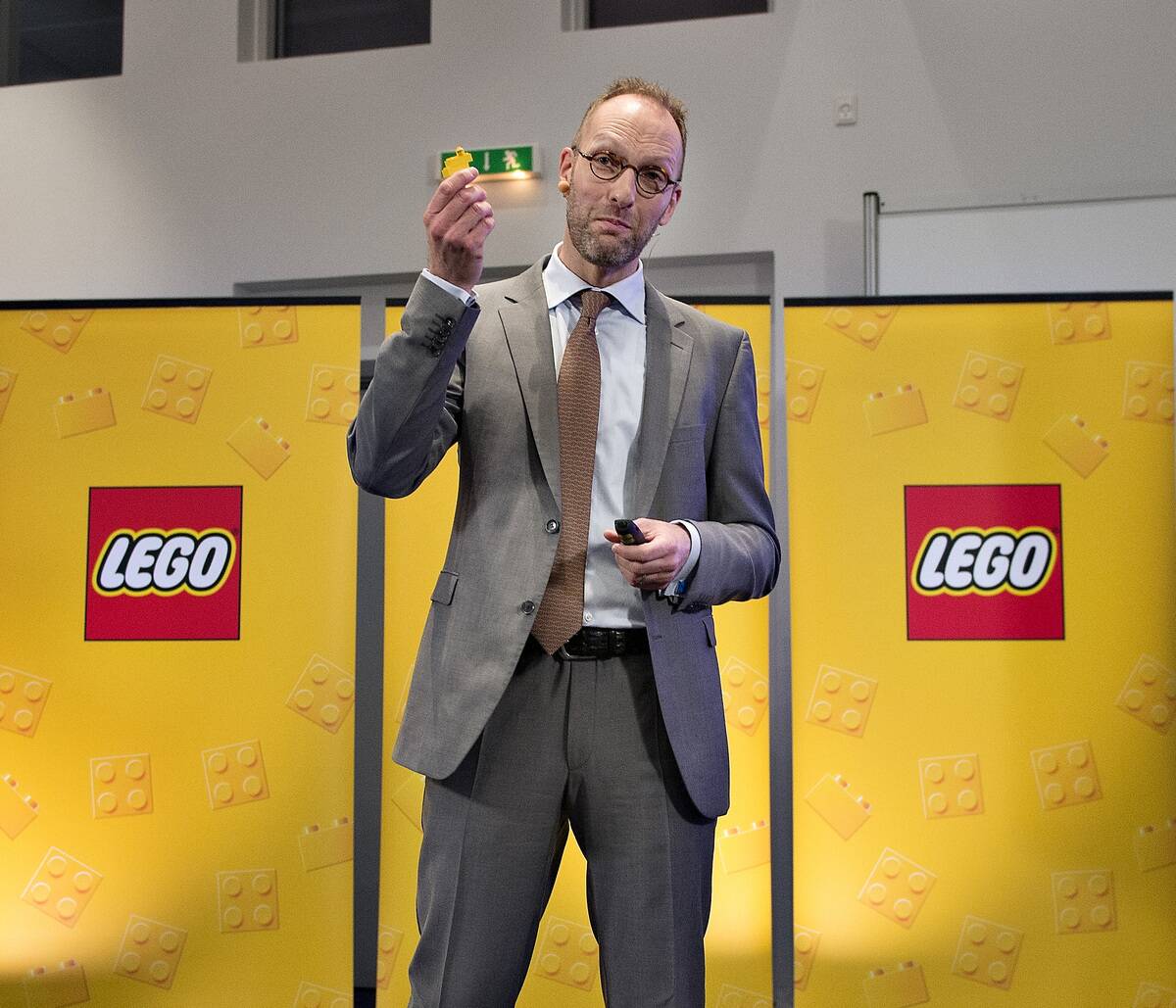
In the early 2000s, LEGO underwent significant leadership changes that helped steer the company back on track. Jørgen Vig Knudstorp, appointed CEO in 2004, played a pivotal role in LEGO’s turnaround.
Knudstorp implemented a back-to-basics strategy, focusing on the company’s core products and cutting unnecessary costs. His leadership emphasized innovation and customer engagement, which revitalized the brand and set LEGO on a path to recovery.
Back to Basics: Refocusing on Core Products

Under new leadership, LEGO made a concerted effort to refocus on its core products: the classic brick sets that had made the company a household name. By streamlining its product offerings, LEGO was able to reduce complexity and improve efficiency.
This return to basics resonated with consumers, who appreciated the simplicity and creativity that LEGO bricks offered. The strategy paid off, as sales began to recover and the brand’s reputation was restored.
The Role of Innovation: Introducing New Themes and Sets

Innovation has always been at the heart of LEGO’s success. The company has introduced a variety of new themes and sets to capture the imaginations of a diverse audience.
From the fantasy world of LEGO Ninjago to the STEM-focused LEGO Mindstorms, these innovative products have broadened LEGO’s appeal. By continuously evolving its offerings, LEGO has managed to stay relevant in a rapidly changing market, attracting both new and returning fans.
Collaborations and Licensing: Partnering with Popular Franchises

Collaborations and licensing agreements have played a crucial role in LEGO’s resurgence. By partnering with popular franchises such as Star Wars, Harry Potter, and Marvel, LEGO has tapped into existing fan bases and expanded its reach.
These collaborations have resulted in some of the most successful and beloved LEGO sets, appealing to both children and adult collectors. The strategic alliances have not only boosted sales but also strengthened LEGO’s brand presence globally.
The LEGO Movie: A Blockbuster Success

The release of The LEGO Movie in 2014 marked a significant milestone for the brand, proving that LEGO could successfully venture into the world of entertainment. The film was a critical and commercial success, grossing over $468 million worldwide.
Its witty humor and engaging storyline resonated with audiences of all ages, further cementing LEGO’s place in popular culture. The movie’s success led to several sequels and spin-offs, showcasing LEGO’s storytelling potential.