Nintendo’s journey from cards to video games

Trending Now
Nintendo’s journey from a small playing card company to a gaming giant is nothing short of legendary. Founded in 1889, it has evolved through the decades, adapting to technological advancements and shifting consumer interests.
Today, Nintendo stands as a beacon of innovation in the gaming industry, known for its creativity and unique approach to game design.
The Humble Beginnings: Nintendo’s Founding in 1889

Nintendo was founded by Fusajiro Yamauchi in Kyoto, Japan, in 1889. Initially, the company produced handmade hanafuda playing cards, which quickly gained popularity in Japan.
These cards were used for a variety of traditional games, and Nintendo’s craftsmanship set them apart. Despite its humble beginnings, the company’s innovative spirit was evident even then, as it sought to expand its market beyond traditional card games.
The Art of Hanafuda: Nintendo’s First Steps in the Gaming World

Hanafuda cards are a traditional Japanese playing card deck, rich in history and artistry. Nintendo’s early success was built on these intricately designed cards, which were different from Western playing cards.
The company capitalized on the popularity of hanafuda by producing high-quality decks, which helped establish its reputation. This early focus on quality and innovation laid the foundation for Nintendo’s future ventures in the gaming industry.
The Birth of Electronic Gaming: Entering the Arcade Scene

Nintendo’s foray into electronic gaming began in the 1970s with arcade games. The company released several arcade titles, including “Radar Scope” and “Sheriff,” which helped establish its presence in the gaming world.
These early arcade games were crucial in building Nintendo’s expertise in electronic gaming and set the stage for future successes. The arcade scene was a competitive space, but Nintendo’s innovative approach helped it stand out.
The Game & Watch Revolution: Portable Fun on the Go

In 1980, Nintendo introduced the Game & Watch series, a line of handheld electronic games. Designed by Gunpei Yokoi, these devices featured simple LCD screens and were the first to include a “D-pad,” which became a staple in gaming controls.
The Game & Watch series was a commercial success, selling over 43 million units worldwide. This innovation marked Nintendo’s first major success in portable gaming, setting the stage for future handheld consoles.
The Birth of a Legend: The Creation of Donkey Kong
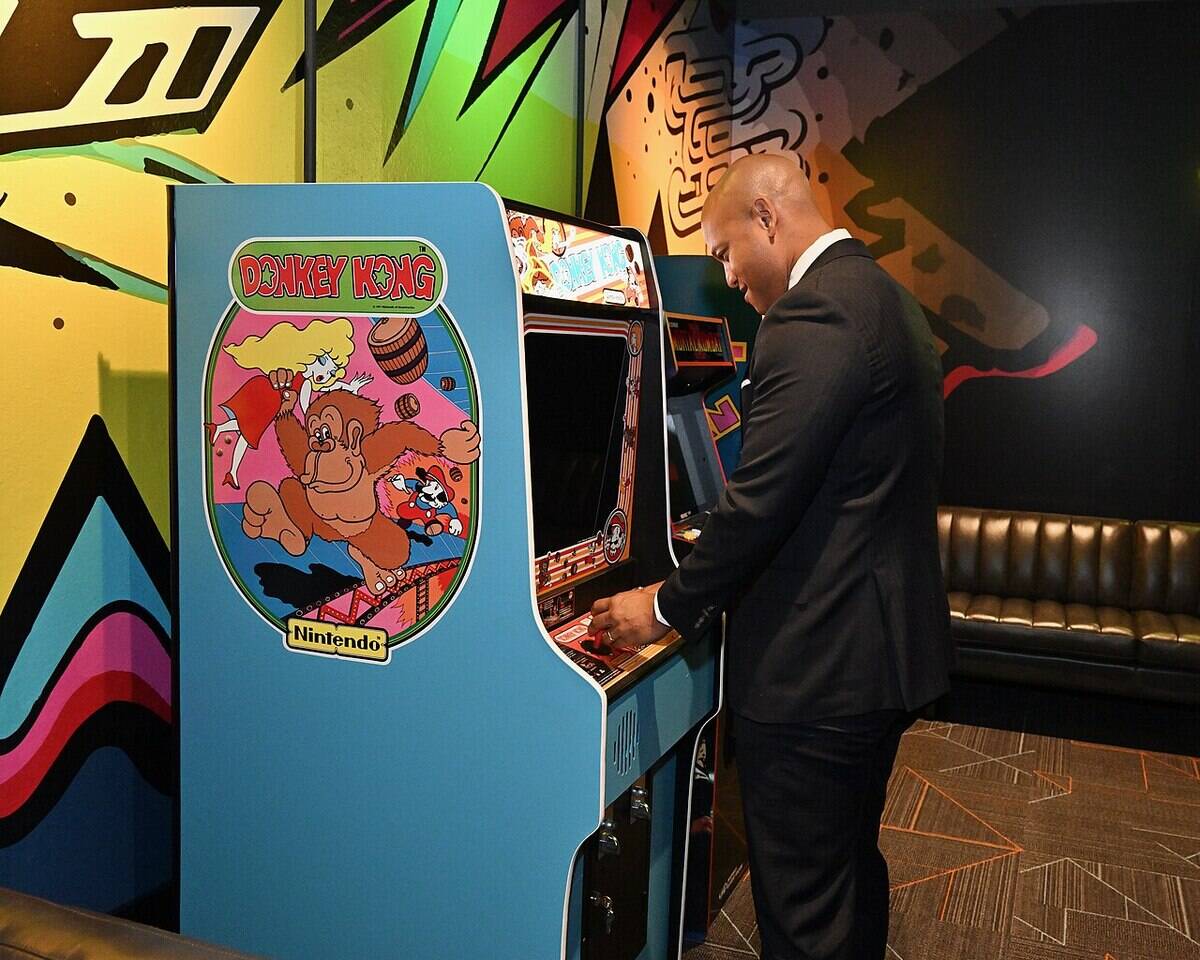
Donkey Kong, released in 1981, was a groundbreaking arcade game that introduced the world to Mario, then known as “Jumpman.” Created by Shigeru Miyamoto, Donkey Kong was a major hit, thanks to its engaging gameplay and unique storyline.
The game’s success not only solidified Nintendo’s reputation as a leading game developer but also laid the groundwork for the creation of one of gaming’s most iconic characters.
Mario Mania: The Rise of an Iconic Plumber

Mario’s journey from a carpenter in Donkey Kong to a plumber in “Super Mario Bros.” is legendary. Released in 1985 for the NES, “Super Mario Bros.” became a cultural phenomenon, selling over 40 million copies worldwide.
The game introduced players to the Mushroom Kingdom and its colorful characters, setting a new standard for platformers. Mario’s popularity has only grown over the years, making him one of the most recognizable characters in gaming.
The NES Era: Bringing Video Games to Living Rooms Worldwide

The Nintendo Entertainment System (NES), launched in 1985, revolutionized home gaming. With iconic titles like “The Legend of Zelda” and “Super Mario Bros.,” the NES became a staple in households around the world.
The console’s success helped revive the video game industry after the crash of 1983, establishing Nintendo as a dominant force in gaming. The NES’s impact is still felt today, with many of its games considered classics.
The Game Boy Phenomenon: Redefining Portable Gaming

In 1989, Nintendo launched the Game Boy, a portable gaming device that changed the landscape of handheld gaming. With its compact design and interchangeable cartridges, the Game Boy offered unprecedented flexibility and convenience.
The inclusion of “Tetris” as a launch title contributed to its widespread appeal, helping the Game Boy sell over 118 million units worldwide. This success solidified Nintendo’s dominance in the portable gaming market.
Super Nintendo: Taking 16-Bit Gaming to New Heights
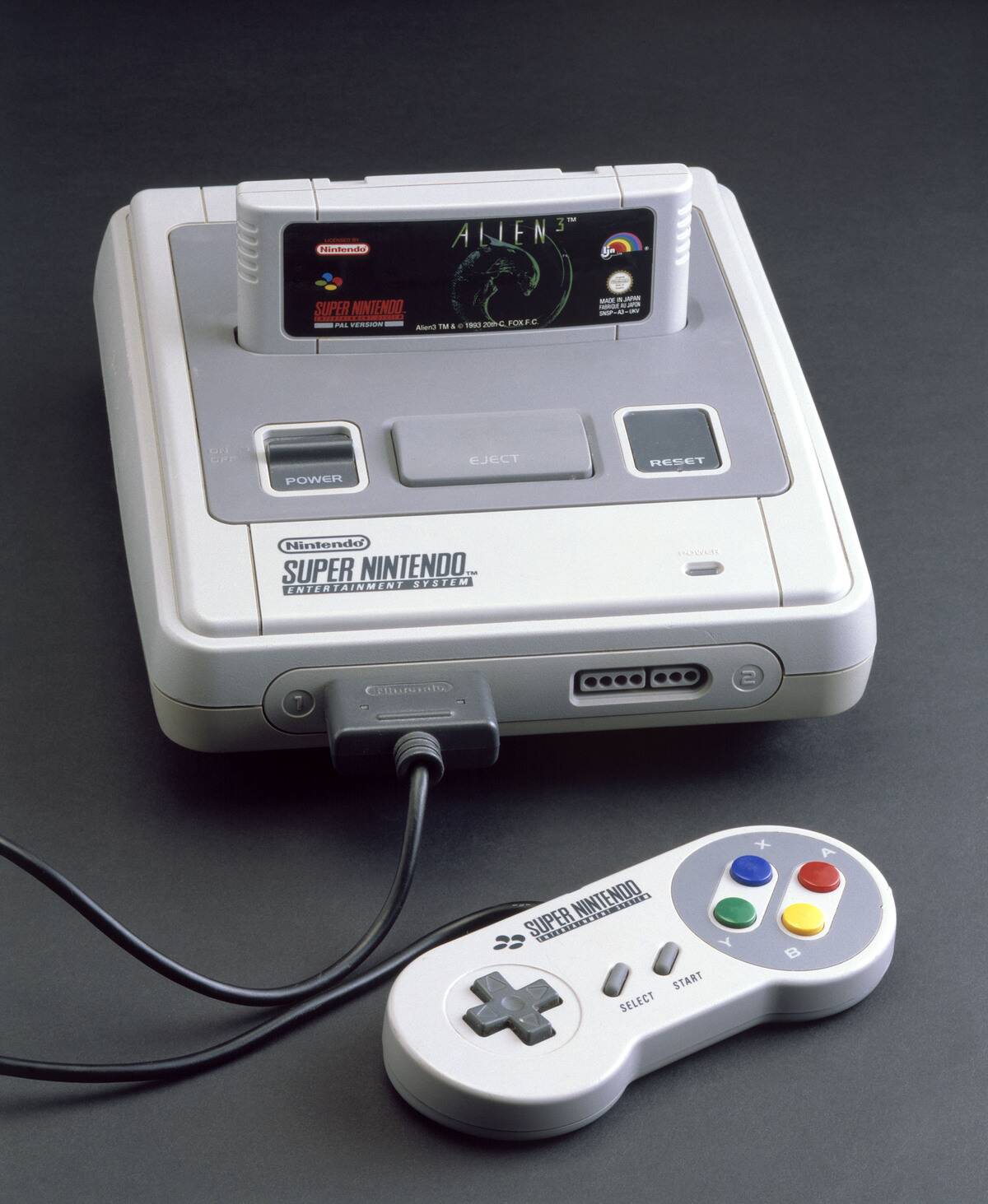
The Super Nintendo Entertainment System (SNES), released in 1990, brought 16-bit graphics and enhanced sound to home gaming. With classics like “Super Mario World” and “The Legend of Zelda: A Link to the Past,” the SNES offered richer, more immersive experiences.
The console’s Mode 7 graphics allowed for innovative gameplay mechanics, further cementing Nintendo’s reputation for creativity. The SNES remains a beloved console, with many of its games still cherished by fans.
The N64 and the Dawn of 3D Gaming

Nintendo’s N64, launched in 1996, marked a significant leap in gaming with its 3D graphics and analog stick controller. “Super Mario 64” and “The Legend of Zelda: Ocarina of Time” showcased the console’s capabilities, offering expansive worlds and innovative gameplay.
The N64’s multiplayer features, like “GoldenEye 007,” became legendary, fostering a new era of social gaming. Despite stiff competition, the N64’s impact on 3D gaming is undeniable.
GameCube: Experimentation and Innovation in the Early 2000s

Released in 2001, the GameCube was Nintendo’s first console to use optical discs instead of cartridges. Known for its compact design and unique controller, the GameCube offered a diverse library of games, including “Super Smash Bros. Melee” and “Metroid Prime.”
While it faced tough competition from Sony and Microsoft, the GameCube’s focus on innovation and quality titles earned it a dedicated fanbase. Its legacy lives on through its beloved games and memorable design.
The Wii: A Motion-Controlled Revolution

The Wii, launched in 2006, revolutionized gaming with its motion-sensing controllers. This innovation made gaming accessible to a broader audience, attracting both casual and hardcore players.
Titles like “Wii Sports” and “The Legend of Zelda: Twilight Princess” showcased the console’s unique capabilities, leading to over 101 million units sold worldwide. The Wii’s success demonstrated the power of innovation in gaming, solidifying Nintendo’s reputation as a pioneer.
Nintendo Switch: Bridging the Gap Between Home and Portable Gaming

The Nintendo Switch, released in 2017, offers a hybrid gaming experience, functioning as both a home console and a portable device. Its versatility has made it a hit with gamers, selling over 155.92 million units as of 2026.
With a strong lineup of games, including “The Legend of Zelda: Breath of the Wild” and “Animal Crossing: New Horizons,” the Switch continues to captivate audiences. Its success underscores Nintendo’s commitment to innovation and player-centric design.
The Power of Nostalgia: Classic Games and Mini Consoles

Nintendo has tapped into the power of nostalgia with its mini consoles, like the NES and SNES Classic Editions. These devices offer a curated selection of classic games, appealing to both longtime fans and new players.
The success of these mini consoles highlights the enduring appeal of Nintendo’s classic titles, which continue to resonate with audiences. By celebrating its rich history, Nintendo has found a way to connect with fans across generations.