Trees with amazing survival abilities

Trending Now
Trees are nature’s skyscrapers, each with its own unique story and survival strategy.
From the arid deserts to lush rainforests, these botanical wonders have adapted to thrive in some of the most challenging environments on Earth.
The Resilient Baobab: Nature’s Water Tower
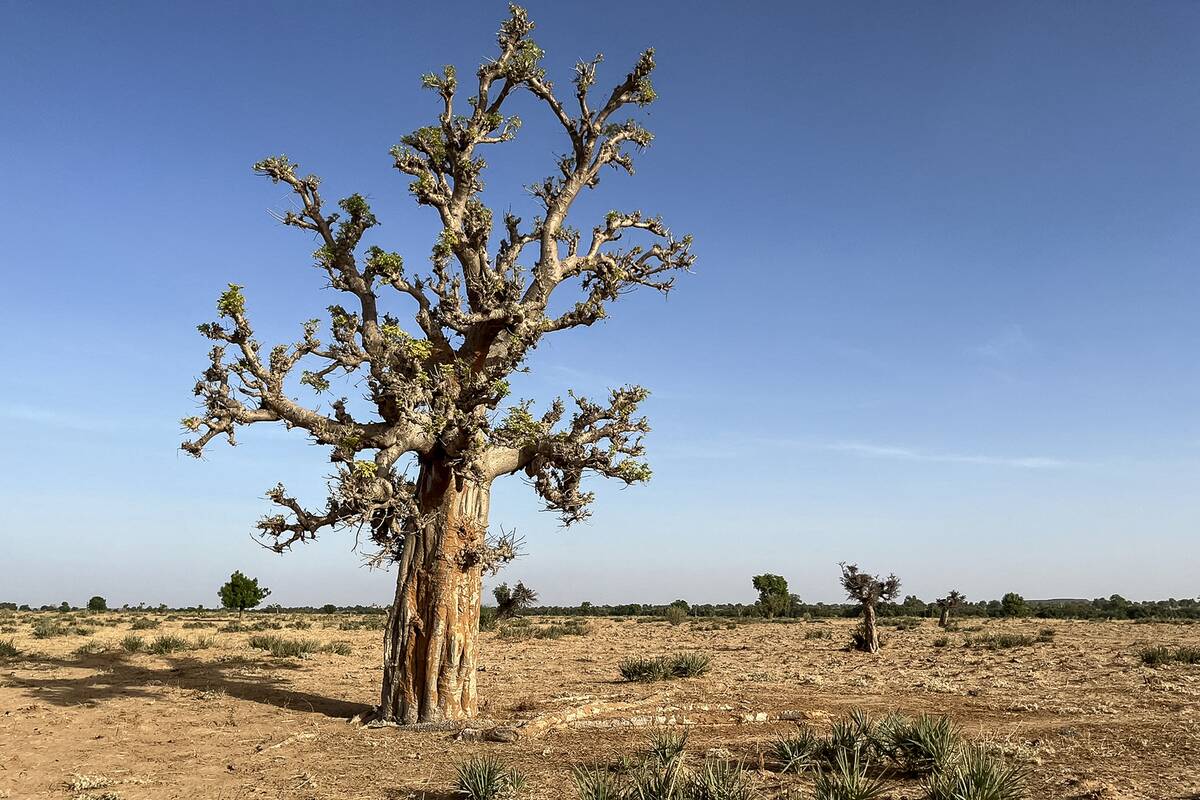
The baobab tree, often referred to as the ‘Tree of Life,’ is a true marvel of nature. Found in the African savannas, it can store thousands of liters of water in its massive trunk, which helps it survive the harsh dry seasons.
These trees can live for over a thousand years, with some specimens believed to be more than 2,500 years old. Their unique ability to store water not only sustains the tree but also provides a crucial resource for local wildlife and communities.
The Tenacious Bristlecone Pine: Ancient Survivors
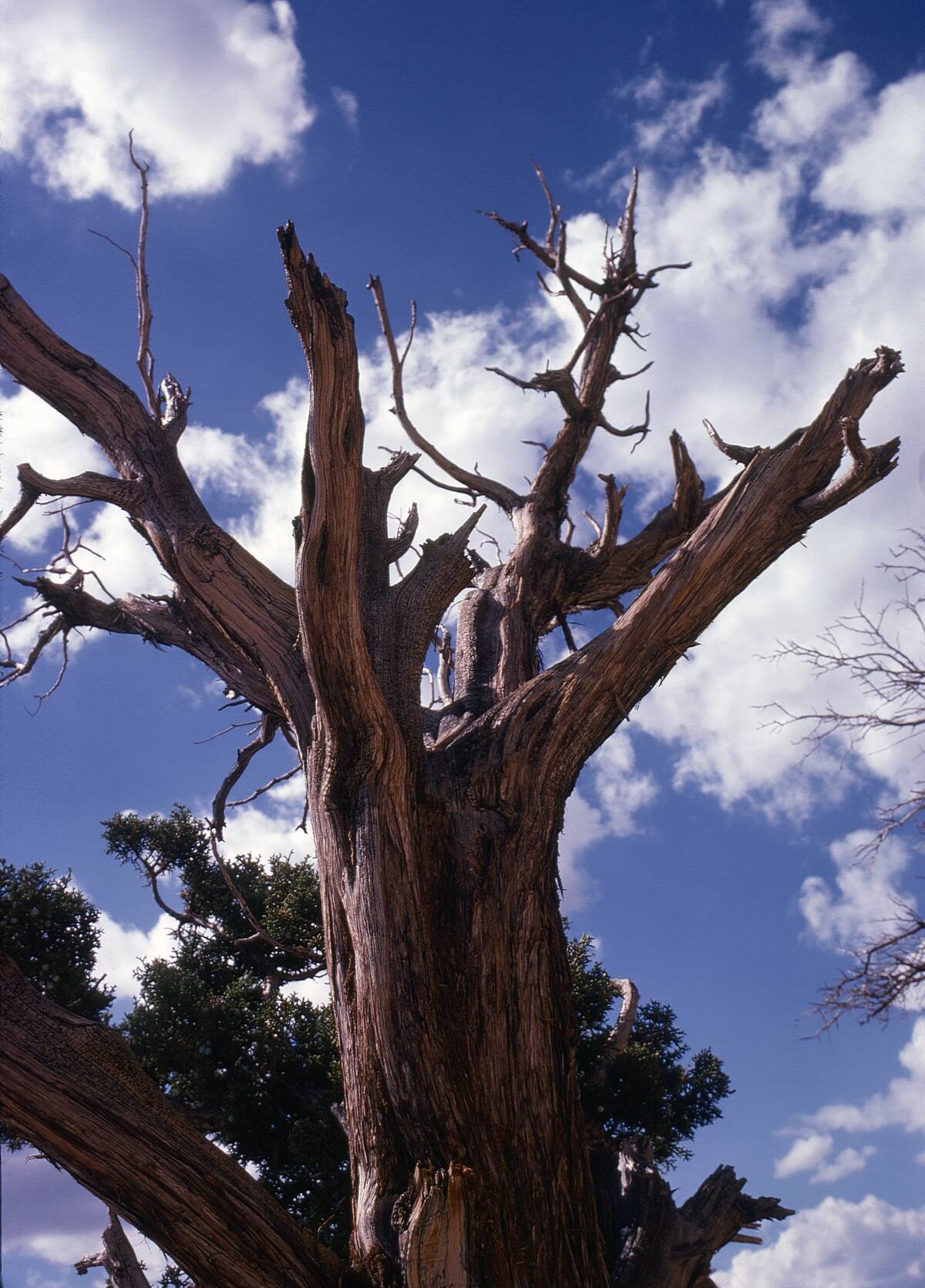
Bristlecone pines are the Methuselahs of the tree world, with some individuals living for nearly 5,000 years. These ancient trees are found in the high-altitude regions of the western United States, where harsh conditions have honed their survival skills.
Their twisted, gnarled appearance is a testament to their resilience, as they grow slowly and endure extreme weather, poor soils, and high winds. This slow growth contributes to their incredible longevity, making them one of the oldest living organisms on Earth.
The Adaptable Mangrove: Masters of the Tidal Zone
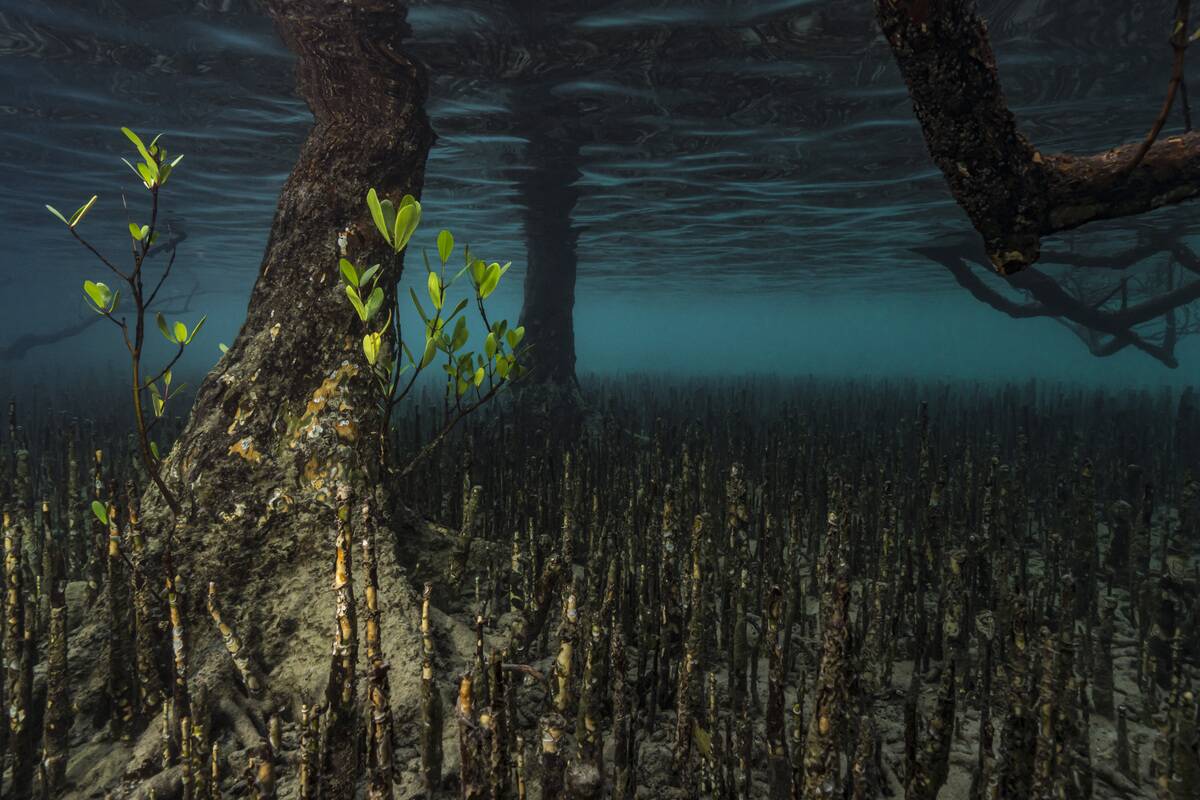
Mangroves are the ultimate coastal survivors, thriving in the challenging interface between land and sea. These trees have evolved to tolerate saltwater, thanks to specialized roots that filter out salt and anchor them in shifting sands.
They play a vital role in protecting coastlines from erosion and provide crucial habitats for a diverse range of marine life. Mangroves are also essential for carbon sequestration, capturing and storing more carbon per unit area than most other forests.
The Clever Banyan Tree: Aerial Roots and Expansive Growth

Banyan trees are nature’s architects, known for their sprawling canopies and aerial roots that descend from branches to the ground. These roots not only provide additional support but also allow the tree to spread over vast areas, creating a natural shelter.
Found in tropical regions, banyans can cover several acres, with some famous specimens in India and Sri Lanka becoming tourist attractions. Their expansive growth provides habitats for numerous species, making them vital components of their ecosystems.
The Resourceful Dragon Blood Tree: Umbrella-Shaped Marvel
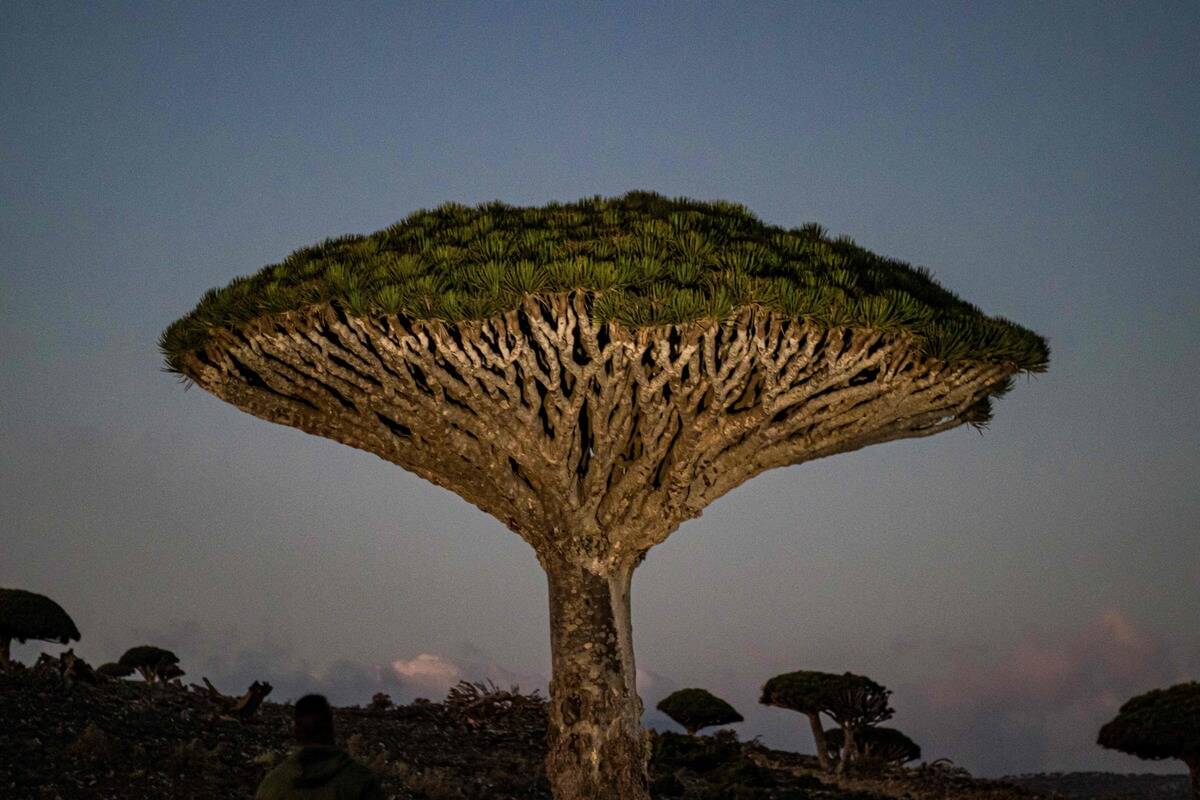
The dragon blood tree, native to the Socotra archipelago, is named for its red sap, which has been used for centuries in traditional medicine and dyes. Its distinctive umbrella shape helps it capture moisture from the air, funneling it down to the roots.
This adaptation allows the tree to survive in the arid, rocky landscapes where it thrives. The dragon blood tree’s unique appearance and ecological importance make it a symbol of the biodiversity found on Socotra, a UNESCO World Heritage Site.
The Hardy Olive Tree: Thriving in Arid Climates

Olive trees are synonymous with the Mediterranean landscape, renowned for their resilience in hot, dry climates. These trees have been cultivated for thousands of years, prized for their fruit and oil.
Their ability to thrive in poor soils and withstand drought conditions is due to their extensive root systems and tough, leathery leaves that reduce water loss. Olive trees can live for centuries, with some ancient specimens still producing olives, a testament to their hardiness and cultural significance.
The Ingenious Joshua Tree: Desert Dweller Extraordinaire

The Joshua tree, an iconic symbol of the Mojave Desert, is a member of the yucca family. Its unique, spiky appearance and ability to survive in harsh desert conditions make it a fascinating study in adaptation.
Joshua trees rely on a symbiotic relationship with the yucca moth for pollination, a partnership that has evolved over millennia. These trees provide essential habitats for desert wildlife and are a critical component of the desert ecosystem, offering shade and shelter in an unforgiving environment.
The Persistent Quiver Tree: Aloe’s Giant Cousin

Quiver trees, native to the arid regions of southern Africa, are a striking sight with their tall, branching structures and succulent leaves. They belong to the aloe family and have adapted to survive in extreme heat and drought.
The name ‘quiver tree’ comes from the indigenous San people, who used the hollowed-out branches to make quivers for their arrows. These trees are not only culturally significant but also play a crucial ecological role, providing shade and moisture for a variety of desert species.
The Unyielding Wollemi Pine: A Living Fossil

The Wollemi pine, once thought extinct, was rediscovered in 1994 in a remote Australian canyon. Dubbed a ‘living fossil,’ it belongs to a plant family that dates back over 200 million years.
This rare tree has unique, bubbly bark and can survive in a range of climates, from cool temperate to subtropical. Efforts to conserve the Wollemi pine include cultivating it in botanical gardens worldwide, ensuring its survival and allowing people to appreciate this remarkable link to the prehistoric past.
The Versatile Eucalyptus: Fire-Resistant and Adaptive
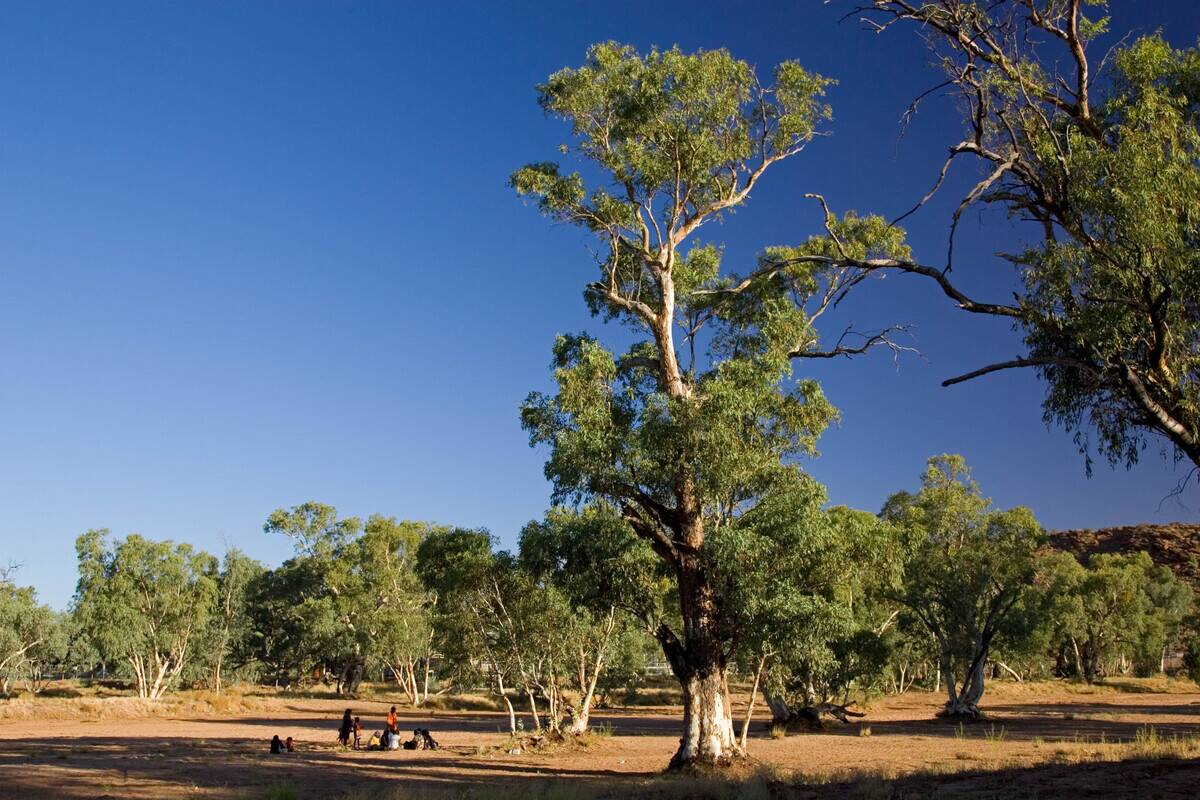
Eucalyptus trees, native to Australia, are renowned for their adaptability and resilience, especially in fire-prone environments. Their leaves contain oils that can ignite easily, but this also helps them survive fires by promoting quick regrowth.
Eucalyptus trees have a remarkable ability to regenerate from their roots, even after severe damage. They play a vital role in their ecosystems, providing habitats for koalas and other wildlife, and their fast growth makes them valuable for timber and paper industries.
The Sturdy Sequoia: Giants of the Forest

Sequoias are the giants of the tree world, with some individuals reaching over 300 feet tall and living for more than 3,000 years. These massive trees are found in the Sierra Nevada mountains of California, where they thrive in the moist, foggy conditions.
Their thick bark provides protection from fire and pests, contributing to their longevity. Sequoias play a crucial role in their ecosystems, supporting a diverse range of species and storing vast amounts of carbon, making them vital for climate regulation.
The Remarkable Cork Oak: Nature’s Renewable Resource

Cork oaks are unique among trees for their ability to regenerate their bark, which is harvested every nine years to produce cork. This sustainable practice does not harm the tree, allowing it to continue growing and supporting biodiversity.
Native to the western Mediterranean, cork oak forests are home to a variety of wildlife, including endangered species like the Iberian lynx. The cork industry is vital for local economies and plays a role in carbon sequestration, making cork oaks an important environmental resource.
The Unique Cannonball Tree: Explosive Seed Dispersal
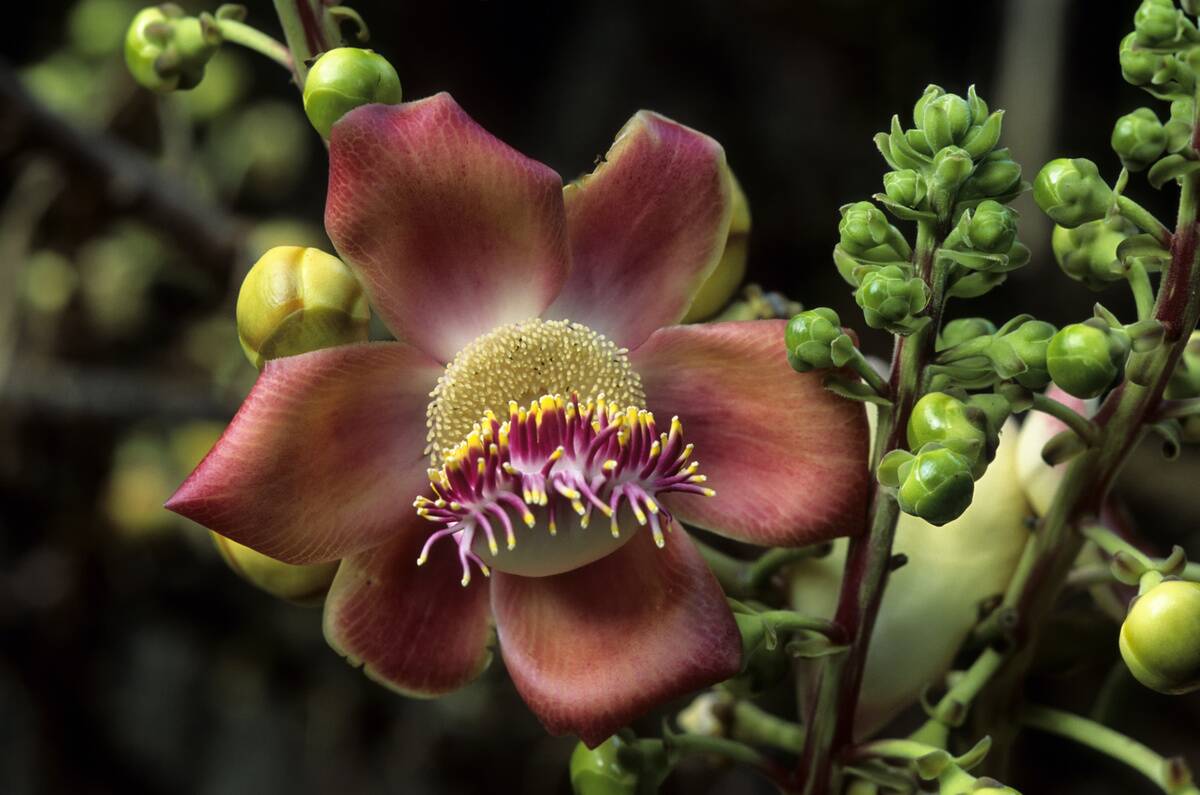
The cannonball tree, native to the tropical forests of Central and South America, is named for its large, spherical fruit that resembles cannonballs. These fruits can weigh up to 15 pounds and fall to the ground with a loud thud, aiding in seed dispersal.
The tree’s striking flowers grow directly from the trunk, attracting a variety of pollinators. While the fruit is not edible for humans, it provides food for wildlife, and the tree is often grown as an ornamental for its unusual appearance.
The Resilient Black Spruce: Surviving in the Boreal Forest

Black spruce trees are a key species in the boreal forests of North America, thriving in cold, wet conditions. They are well adapted to the short growing seasons and nutrient-poor soils of their northern habitats.
Black spruce trees have a shallow root system that allows them to access waterlogged soils, and their conical shape helps them shed snow. These trees are important for carbon storage and provide habitat for a range of wildlife, including moose and migratory birds.
The Ingenious Kapok Tree: Towering Above the Rainforest

The kapok tree is a towering giant of the rainforest, reaching heights of over 200 feet. Native to Central and South America, it plays a crucial role in its ecosystem by providing food and shelter for a variety of species.
The kapok tree’s seeds are dispersed by wind, thanks to the fluffy fibers that surround them, which are also used to fill pillows and mattresses. Its buttressed roots provide stability in the shallow rainforest soils, allowing it to support its massive size.
The Adaptive Acacia: Thorny Defense and Symbiotic Relationships

Acacia trees are well-known for their thorny branches, which serve as a defense against herbivores. Found in arid and semi-arid regions, these trees have adapted to survive in harsh conditions with their deep root systems and drought-resistant features.
Acacias also engage in symbiotic relationships with ants, which live in their hollow thorns and protect the tree from herbivores in exchange for food. This mutualistic relationship highlights the acacia’s adaptability and its role in sustaining biodiversity in its environment.