The family feud that created Adidas and Puma

Trending Now
In the world of sports footwear, few stories are as compelling as the birth of Adidas and Puma. These two iconic brands, now global giants, trace their origins back to a small town in Germany.
Their inception is not just a tale of business acumen but also one of family drama. The Dassler brothers, Adolf and Rudolf, laid the foundations for these companies, forever changing the landscape of sports apparel.
The Dassler Brothers: A Brief Background

Adolf and Rudolf Dassler were born in the early 1900s in Herzogenaurach, Germany. Adolf, often called Adi, was the more reserved of the two, focusing on the technical aspects of shoe design. Rudolf, on the other hand, was a natural salesman with a flair for marketing.
Together, they combined their strengths to create a business that would eventually become a household name in sports.
The Founding of Gebrüder Dassler Schuhfabrik

In 1924, the brothers founded Gebrüder Dassler Schuhfabrik, or Dassler Brothers Shoe Factory, in their hometown. The company quickly gained a reputation for producing high-quality athletic footwear.
With the 1936 Berlin Olympics on the horizon, the brothers seized the opportunity to showcase their products on a global stage, providing shoes to athletes who would go on to win gold medals.
The Rise of the Dassler Shoe Company

The success of the 1936 Olympics catapulted the Dassler Shoe Company into the international spotlight. Their shoes were worn by athletes who achieved remarkable feats, including Jesse Owens, who won four gold medals.
This exposure helped the company gain a foothold in the competitive sports market, setting the stage for future growth and innovation.
World War II and Its Impact on the Dassler Brothers
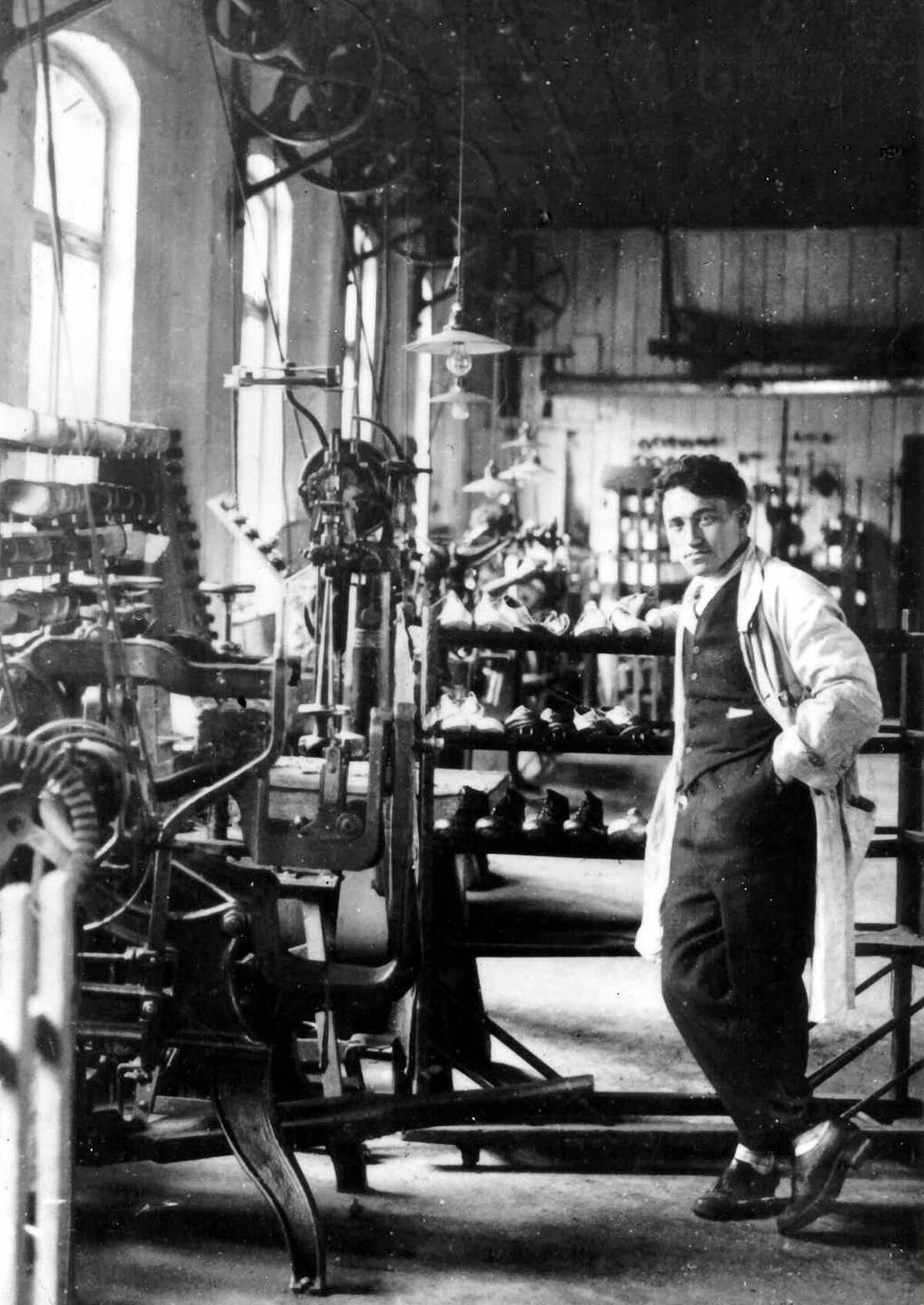
World War II brought significant challenges to the Dassler brothers. The war effort required the factory to produce military supplies, straining resources and relationships. Personal tensions between Adolf and Rudolf were further inflamed by wartime hardships.
The brothers’ differing political affiliations during this period also added fuel to the fire, driving a wedge between them.
The Split: Rudolf and Adolf Part Ways

In 1948, the simmering tensions reached a boiling point, and the Dassler brothers decided to part ways. The split was not amicable, with both brothers determined to outdo each other in the world of sports footwear.
This decision marked the end of Gebrüder Dassler Schuhfabrik and the beginning of two separate ventures that would become Adidas and Puma.
The Birth of Adidas: Adolf Dassler’s New Venture

Following the split, Adolf Dassler founded Adidas, a name derived from his nickname, Adi, and the first three letters of his last name. He focused on innovation and quality, quickly establishing Adidas as a leader in sports footwear.
The brand’s iconic three stripes became a symbol of excellence, helping Adidas gain a loyal following among athletes and consumers alike.
The Creation of Puma: Rudolf Dassler’s Response
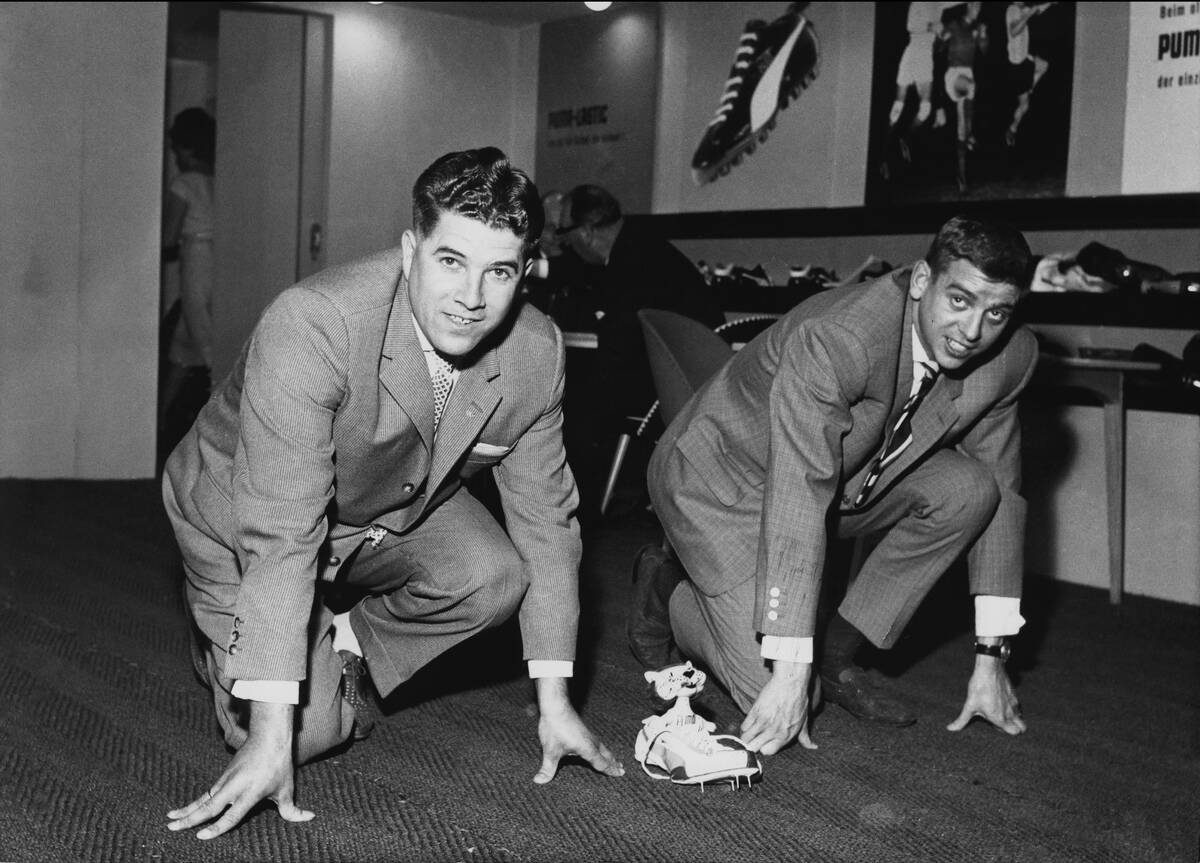
Not to be outdone, Rudolf Dassler launched Puma shortly after the split. With his keen marketing skills, Rudolf positioned Puma as a formidable competitor in the sports industry.
The brand’s distinctive logo and emphasis on performance helped it carve out a niche in the market. Puma’s early successes were a testament to Rudolf’s business acumen and determination.
A Tale of Two Towns: Herzogenaurach Divided

The rivalry between Adidas and Puma extended beyond business, dividing their hometown of Herzogenaurach. The town became known as “the town of bent necks,” as residents would look down to see which brand of shoes others were wearing.
This division permeated daily life, with loyalties often passed down through generations, reflecting the deep-rooted nature of the Dassler feud.
The First Steps: Early Successes of Adidas

Adidas quickly gained traction in the sports world, thanks to Adolf’s focus on innovation. The brand introduced groundbreaking products, such as the first screw-in stud football boots.
These innovations helped Adidas secure partnerships with top athletes and sports teams, further solidifying its reputation as a leader in sports footwear. The company’s early successes laid the foundation for its future dominance.
Puma’s Leap into the Limelight
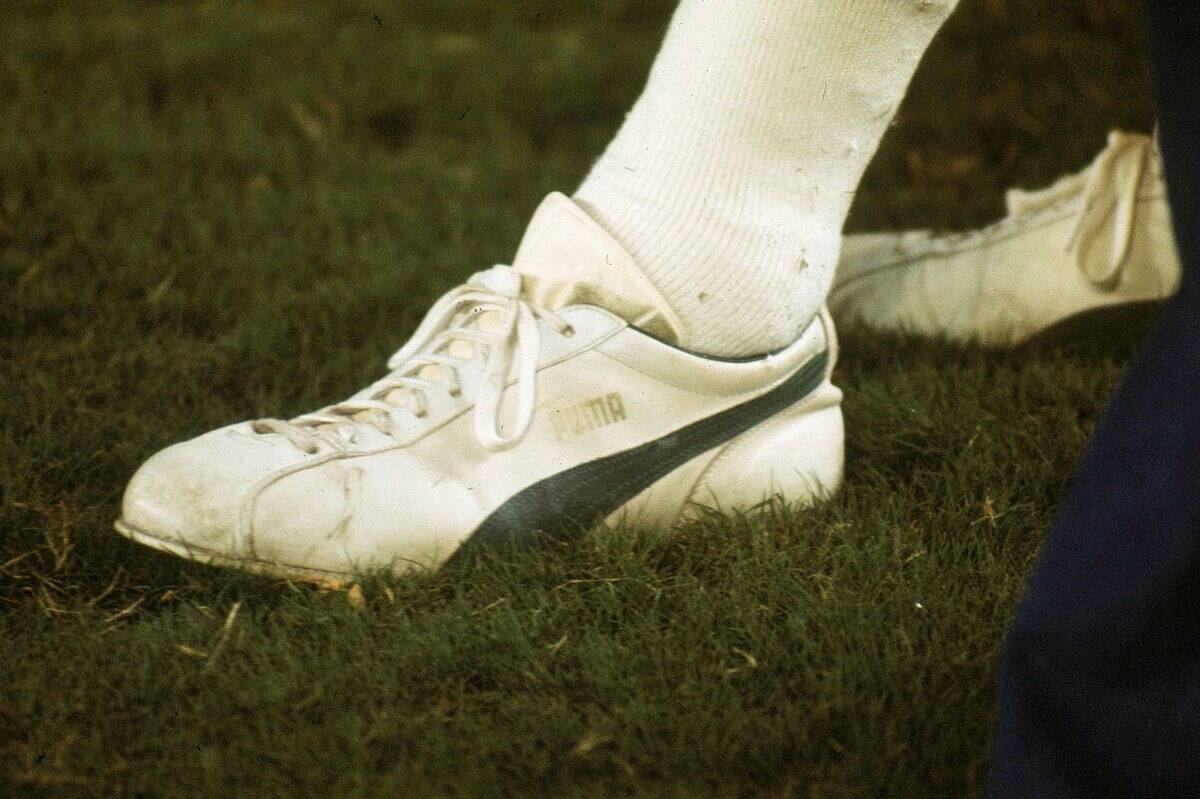
Puma also made significant strides in its early years, capturing the attention of the sports world. The brand’s focus on performance and style attracted high-profile endorsements, including that of Brazilian football legend Pelé.
Puma’s ability to secure such partnerships demonstrated its growing influence and competitive edge, establishing it as a formidable player in the global sports market.
The Cold War of the Sneaker World
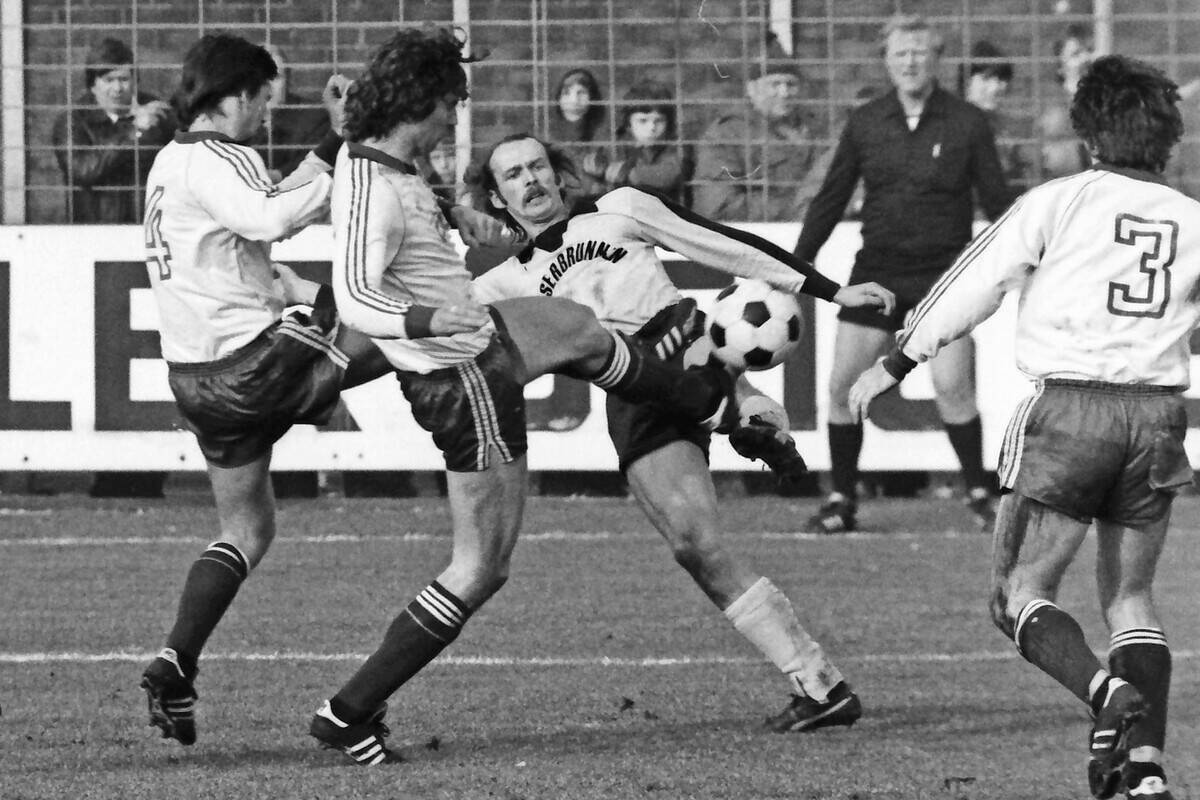
The rivalry between Adidas and Puma became known as the “sneaker war,” with both brands fiercely competing for market share. This competition drove innovation and marketing strategies, as each company sought to outdo the other.
The intense rivalry pushed both brands to new heights, resulting in a dynamic and ever-evolving sports footwear industry that continues to thrive today.
The Role of Innovation in the Adidas-Puma Rivalry
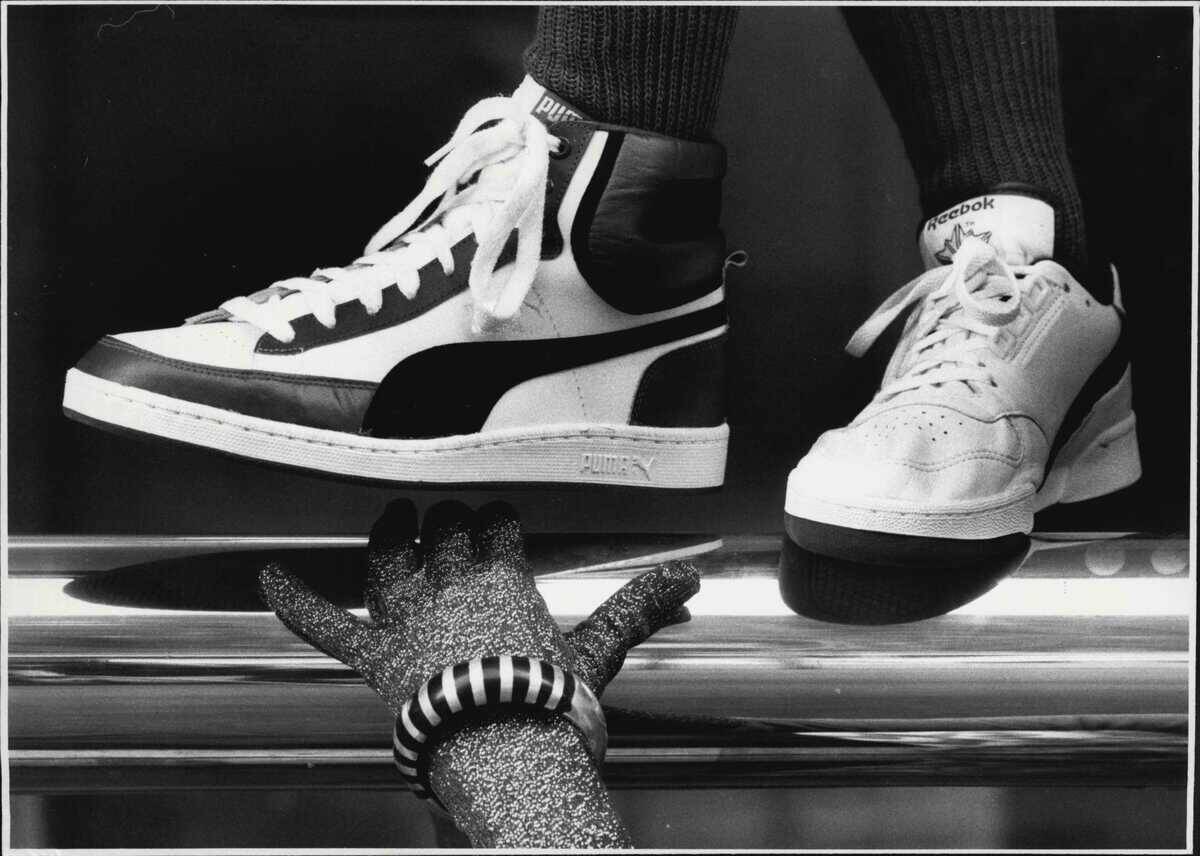
Innovation played a crucial role in the Adidas-Puma rivalry, with both brands constantly seeking to improve their products. Adidas focused on technological advancements, such as lightweight materials and ergonomic designs.
Puma, meanwhile, emphasized style and performance, introducing bold designs that appealed to a younger audience. This relentless pursuit of innovation helped both brands maintain their competitive edge.
Famous Endorsements: Athletes Who Chose Sides

The battle for athlete endorsements was a key aspect of the Adidas-Puma rivalry. Adidas secured partnerships with legends like Muhammad Ali and Franz Beckenbauer, while Puma boasted endorsements from stars such as Pelé and Usain Bolt.
These high-profile endorsements not only boosted brand visibility but also reinforced each company’s reputation as a leader in sports performance.
Reconciliation Attempts: Bridging the Dassler Divide

Over the years, there have been attempts to reconcile the Dassler brothers’ legacy. In 2009, employees from both Adidas and Puma participated in a friendly football match, symbolizing a truce between the two companies.
While the rivalry remains a part of their history, both brands have moved forward, focusing on innovation and growth in the competitive sports market.