The world’s strangest lakes explained

Trending Now
Lakes are often serene and picturesque, but some hold secrets and wonders that defy imagination.
From lakes that turn creatures to stone to those that bubble with methane, the world is full of these aquatic marvels.
Lake Natron, Tanzania: The Petrifying Beauty

Lake Natron is a salt lake known for its high alkalinity, which can reach a pH of over 12. This harsh environment is inhospitable to most wildlife, yet it creates stunning visuals.
The lake’s waters can calcify animals, preserving them in a ghostly state. Flamingos thrive here, feeding on the algae that can withstand the extreme conditions, adding a splash of life to this eerie landscape.
Jellyfish Lake, Palau: A Sting-Free Swim

Located on Eil Malk Island, Jellyfish Lake is home to millions of golden jellyfish. These jellyfish have evolved to lose their sting over generations due to the lack of predators. Visitors can swim among them without fear, experiencing a surreal underwater dance.
This unique adaptation makes the lake a popular spot for snorkeling and a testament to nature’s ability to adapt and thrive.
Spotted Lake, Canada: Nature’s Polka Dot Masterpiece

Spotted Lake in British Columbia is a natural wonder that transforms into a vibrant polka dot pattern during the summer. The lake is rich in minerals, including magnesium sulfate, calcium, and sodium sulfates, which crystallize and form colorful spots as the water evaporates.
Each spot varies in size and color, creating a stunning natural mosaic that has been revered by indigenous peoples for centuries.
Lake Hillier, Australia: The Bubblegum Pink Marvel

Lake Hillier is famous for its striking bubblegum pink color, caused by the presence of Dunaliella salina algae and halobacteria. This vibrant hue is a permanent feature, visible even when the water is bottled.
Located on Middle Island, the lake is surrounded by lush greenery and the deep blue of the ocean, making it a breathtaking sight from above. While its waters are safe to swim in, access is limited to preserve its unique ecosystem.
Boiling Lake, Dominica: A Steamy Encounter

Boiling Lake is a flooded fumarole, part of the volcanic activity in Dominica. The lake’s temperature is often near boiling, with steam rising from its surface, creating an otherworldly atmosphere.
The hike to the lake is a challenging adventure through lush rainforests and rugged terrain, rewarding visitors with the sight of this natural cauldron. It’s a reminder of the powerful geothermal forces at work beneath the Earth’s crust.
Dead Sea, Israel/Jordan: The Salty Floatation Sensation

The Dead Sea is renowned for its high salinity, about ten times saltier than the ocean, allowing people to float effortlessly. Its mineral-rich waters and mud are famed for therapeutic properties, attracting visitors from around the world.
The lake’s surface is the lowest point on Earth’s land, at about 430 meters below sea level. Despite its name, the Dead Sea is a vibrant hub of tourism and scientific research.
Lake Baikal, Russia: The World’s Deepest and Oldest Lake

Lake Baikal is a natural wonder, holding the title of the world’s deepest and oldest freshwater lake. It reaches depths of over 1,600 meters and is estimated to be around 25 million years old.
The lake is home to a diverse range of species, many of which are found nowhere else on Earth, including the Baikal seal. Its crystal-clear waters and unique biodiversity make it a UNESCO World Heritage Site and a must-visit for nature enthusiasts.
Laguna Colorada, Bolivia: The Red-Hued Flamingo Haven

Laguna Colorada is a shallow salt lake located in the Eduardo Avaroa Andean Fauna National Reserve. Its striking red color is due to the red sediments and pigmentation of algae in the water.
The lake is a critical habitat for the endangered James’s flamingo, which feed on the abundant plankton. The contrast of the red waters with the white borax islands and the surrounding mountains creates a breathtaking landscape.
Lake Retba, Senegal: The Rosy Pink Salt Lake

Lake Retba, also known as Lac Rose, is famous for its pink waters caused by the Dunaliella salina algae, similar to Lake Hillier. The lake’s high salt content, up to 40%, is harvested by locals, who use traditional methods to extract salt.
The pink hue is most vivid during the dry season, making it a popular tourist destination. Visitors can float in the lake, similar to the Dead Sea, and enjoy its unique beauty.
Lake Maracaibo, Venezuela: The Lightning Capital

Lake Maracaibo is renowned for the Catatumbo lightning, a meteorological phenomenon that occurs up to 260 nights a year. This natural light show is caused by the unique geography and weather patterns of the region.
The lake is one of the largest in South America and plays a crucial role in Venezuela’s oil industry. The constant lightning has made it a point of interest for scientists studying atmospheric electricity.
Lake Abraham, Canada: The Frozen Bubble Phenomenon

Lake Abraham, an artificial lake in Alberta, is famous for its stunning frozen methane bubbles. These bubbles are formed when organic matter at the bottom of the lake decomposes, releasing methane gas.
In winter, the gas gets trapped under the ice, creating a mesmerizing pattern of frozen bubbles. Photographers and tourists flock to the lake to capture this unique natural artwork, which is both beautiful and a reminder of the potent greenhouse gas beneath.
Lake Nyos, Cameroon: The Explosive Mystery
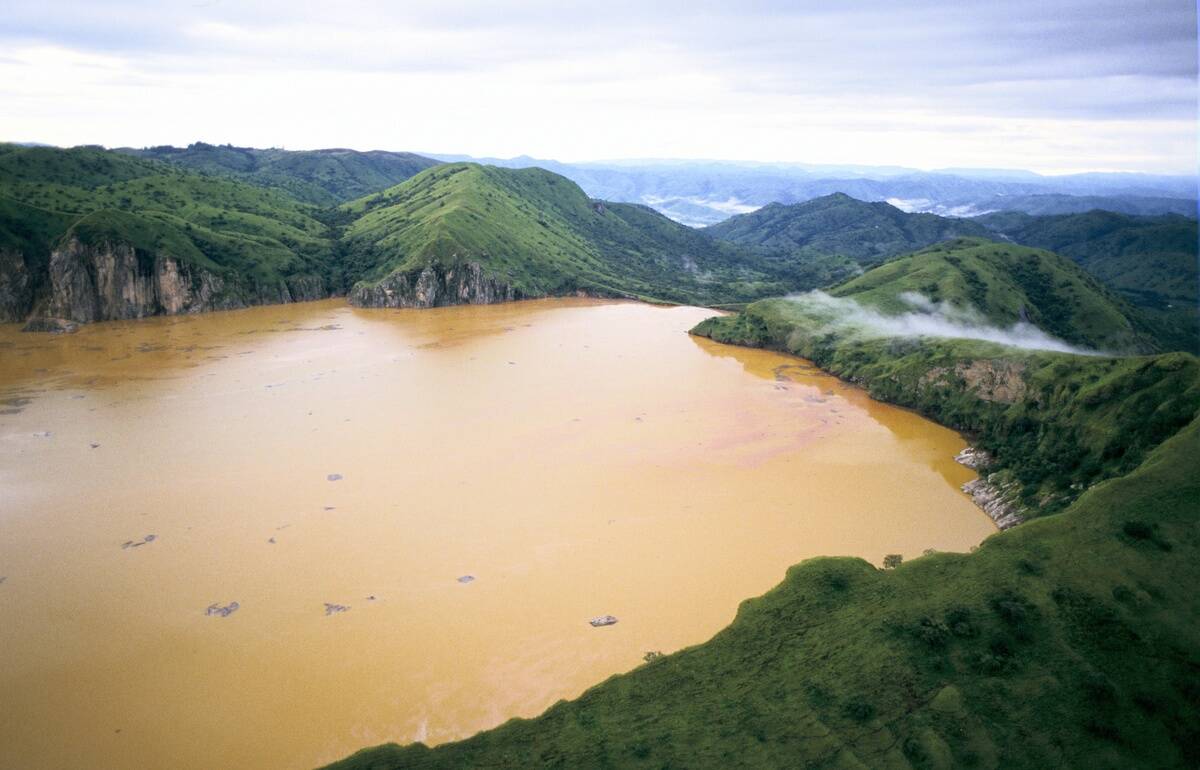
Lake Nyos is infamous for the 1986 disaster when a sudden release of carbon dioxide suffocated over 1,700 people and livestock. This rare phenomenon, known as a limnic eruption, occurs in only a few lakes worldwide.
Scientists have since installed degassing tubes to prevent future tragedies. The lake’s serene appearance belies its deadly potential, making it a subject of ongoing scientific study and a reminder of nature’s unpredictable power.
Lake Titicaca, Peru/Bolivia: The Highest Navigable Lake

Lake Titicaca is the largest lake in South America and the highest navigable lake in the world, sitting at an altitude of 3,812 meters. It is a cultural and historical treasure, with numerous indigenous communities living along its shores.
The lake is home to unique wildlife, including the Titicaca water frog and giant toads. Its deep blue waters and the surrounding Andes mountains create a breathtaking backdrop for visitors.
Lake Kaindy, Kazakhstan: The Sunken Forest Enigma

Lake Kaindy is famous for its submerged forest, created after an earthquake in 1911 triggered a limestone landslide, forming a natural dam. The lake’s clear waters reveal the eerie sight of tree trunks rising from the depths, resembling a submerged ghostly forest.
The cold water has preserved the trees, and the lake is a popular destination for divers and adventurers seeking to explore its unique underwater landscape.