What makes the axolotl unique

Trending Now
Meet the axolotl, a creature that looks like it jumped straight out of a fantasy novel. Often dubbed the ‘Mexican walking fish,’ this amphibian is actually a salamander.
Its permanent larval state, known as neoteny, is what sets it apart from other salamanders. Native to the lakes of Mexico City, the axolotl has captured the hearts of many with its charming smile and unique characteristics.
The Axolotl’s Unique Appearance
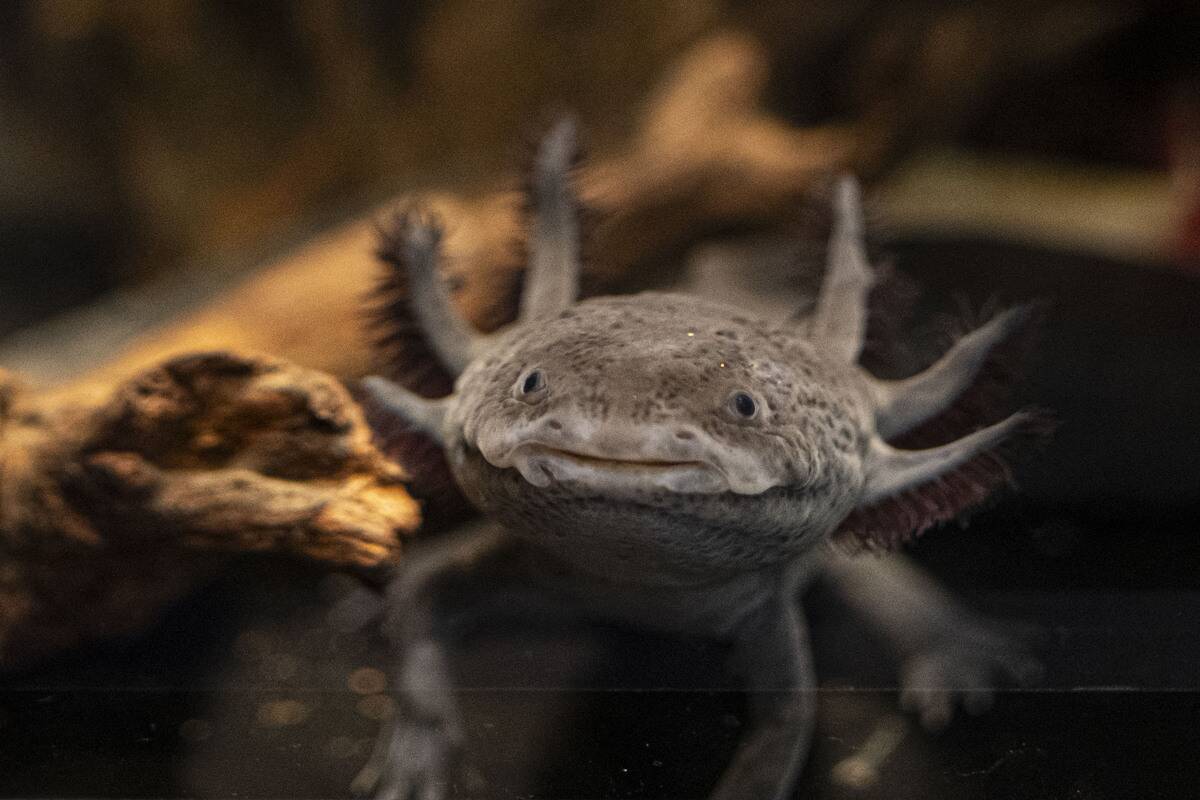
Axolotls are known for their distinctive appearance, featuring feathery external gills that resemble a crown. These gills are not just for show; they play a critical role in the axolotl’s underwater breathing.
Their wide, smiling mouth and lidless eyes give them a perpetual grin, adding to their quirky charm. Axolotls can come in a variety of colors, including wild-type, leucistic, and albino, each offering a different visual delight.
Habitat: Where Do Axolotls Call Home?

The axolotl is native to the ancient lakes of Xochimilco and Chalco in Mexico City. These high-altitude lakes provide the cool, oxygen-rich water that axolotls thrive in.
Unfortunately, due to urbanization and water pollution, their natural habitat has drastically reduced. Conservation efforts are underway to preserve these unique ecosystems and protect the axolotl’s natural home.
The Axolotl’s Fascinating Life Cycle
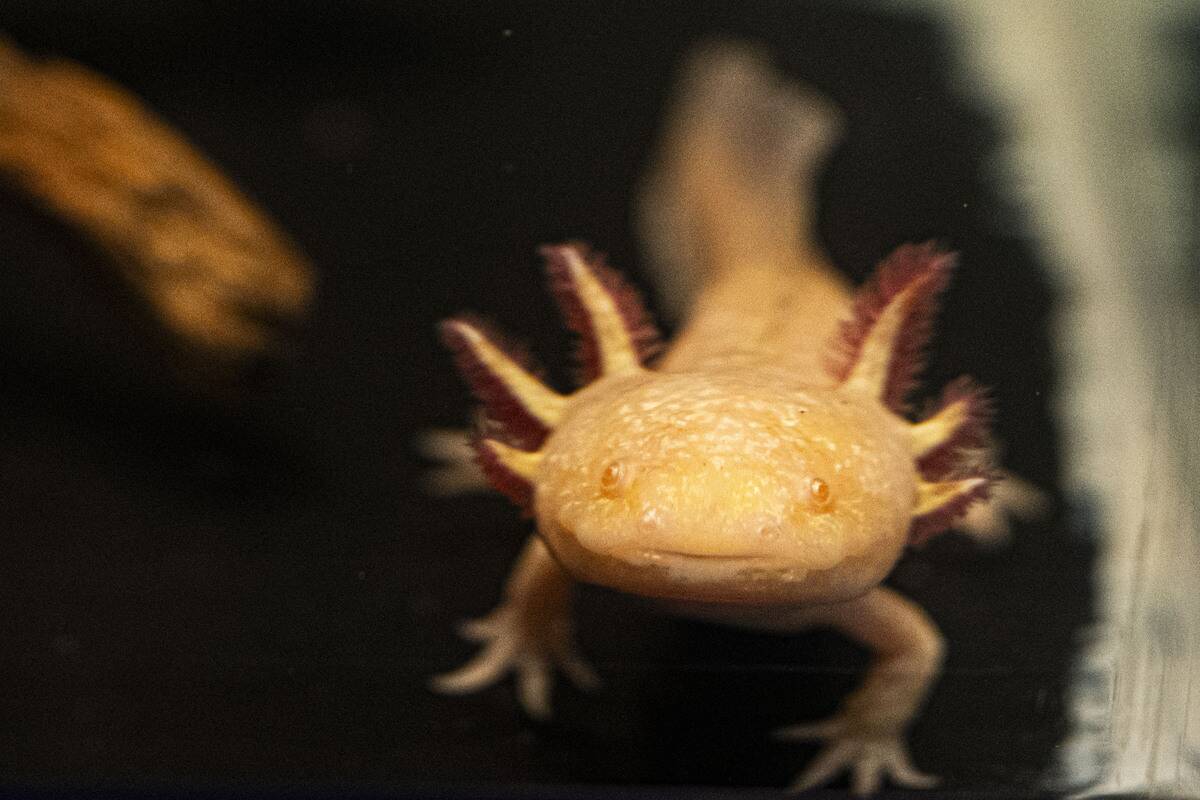
Unlike most salamanders, axolotls remain in their larval stage throughout their lives, a phenomenon known as neoteny. This means they retain their juvenile features, such as their gills, even as they mature.
However, under certain conditions, they can undergo metamorphosis to become terrestrial, though this is rare and often induced in captivity. This eternal youthfulness is one of the many reasons they are so captivating.
Axolotl’s Superpower: Regeneration Abilities
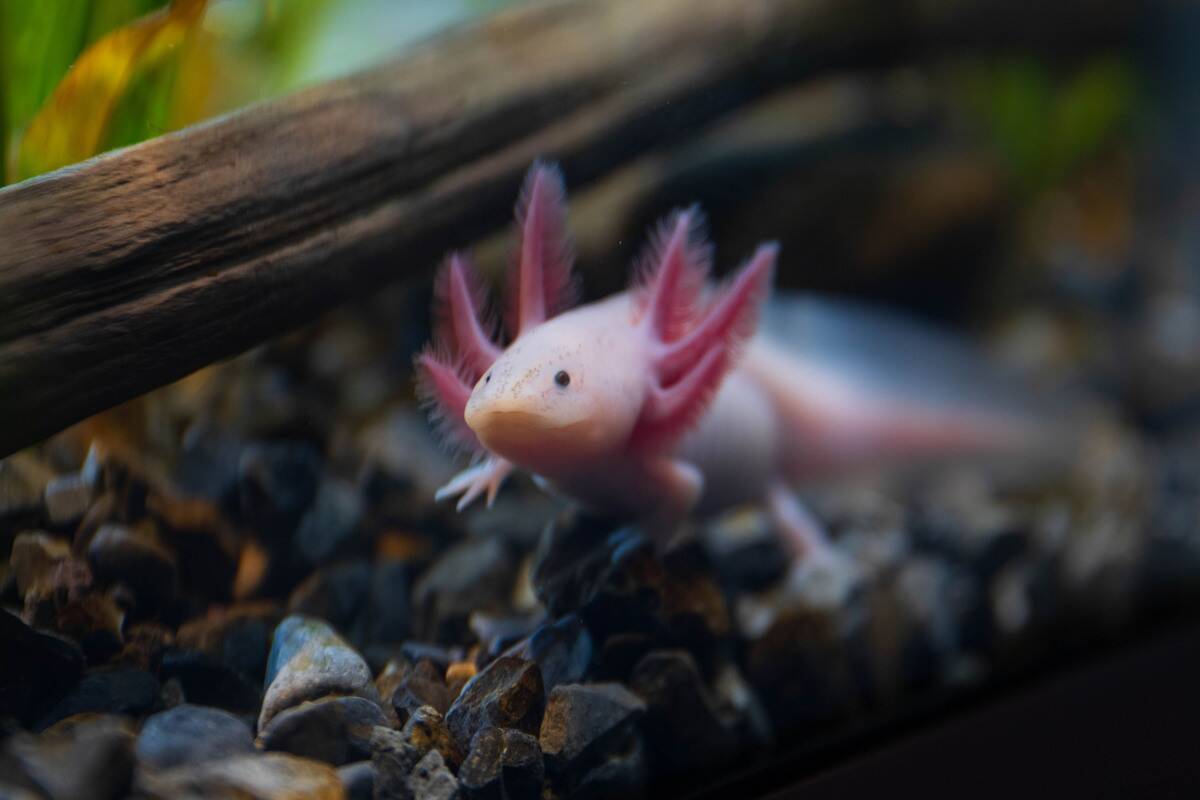
One of the most astonishing features of the axolotl is its ability to regenerate entire limbs, spinal cord, heart, and even parts of its brain. This superpower has fascinated scientists for decades.
Unlike other creatures with regenerative abilities, axolotls can regenerate without scarring, making them a subject of intense biological study. This remarkable trait is not only crucial for their survival but also holds potential for medical breakthroughs.
The Science Behind Axolotl Regeneration
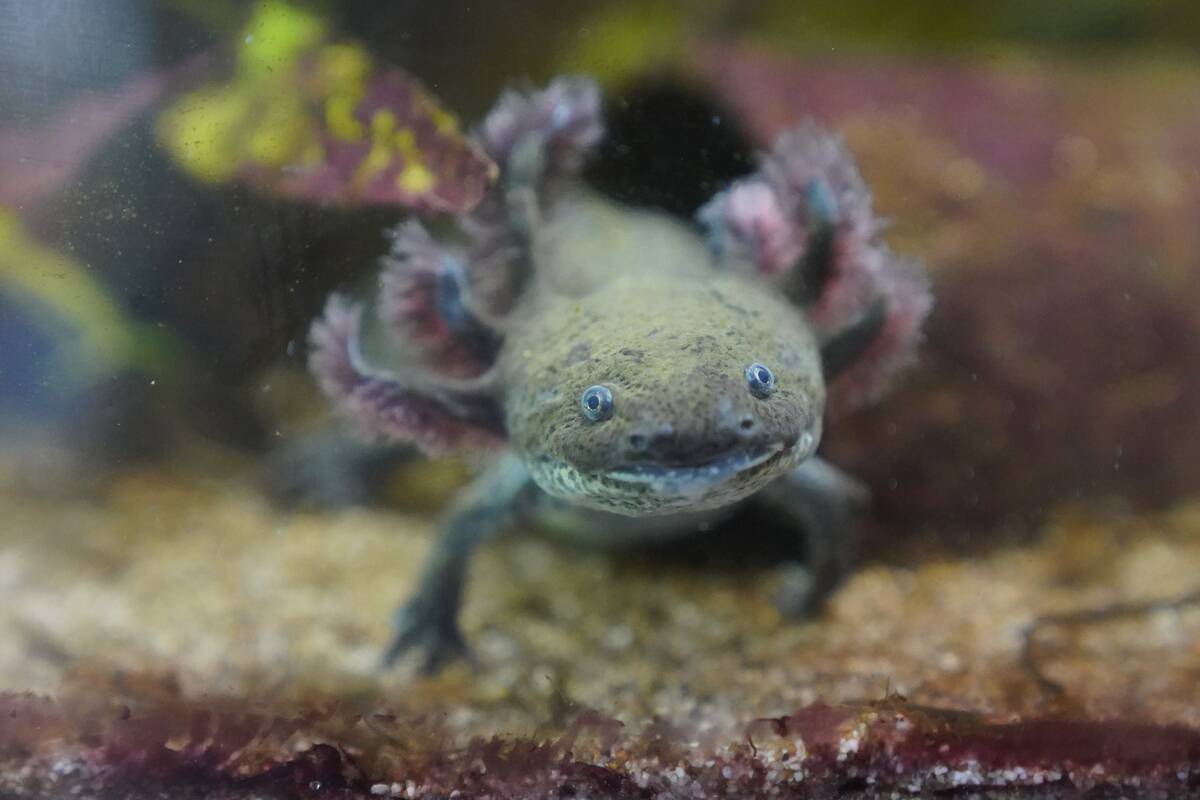
The axolotl’s regenerative prowess is due to their unique cellular mechanisms. They can regrow complex structures through coordinated wound healing, blastema formation, cell dedifferentiation, stem/progenitor-like cell activity, and several signaling pathways, including ERK/MAPK signaling.
This protein ensures that cells at the wound site remain active and capable of forming new tissues. Researchers are studying these processes to unlock the secrets of regeneration, which could have profound implications for human medicine.
Axolotls in Captivity: Popular Pets

Axolotls have become popular pets due to their unusual appearance, but they have specialized care requirements and need carefully maintained aquarium conditions. They thrive in aquariums with cool, clean water and minimal light.
Their quirky personalities and ease of care make them a favorite among exotic pet enthusiasts. However, potential owners should be aware of their specific needs, including a diet of protein-rich foods and a carefully monitored environment.
Diet: What Does an Axolotl Eat?
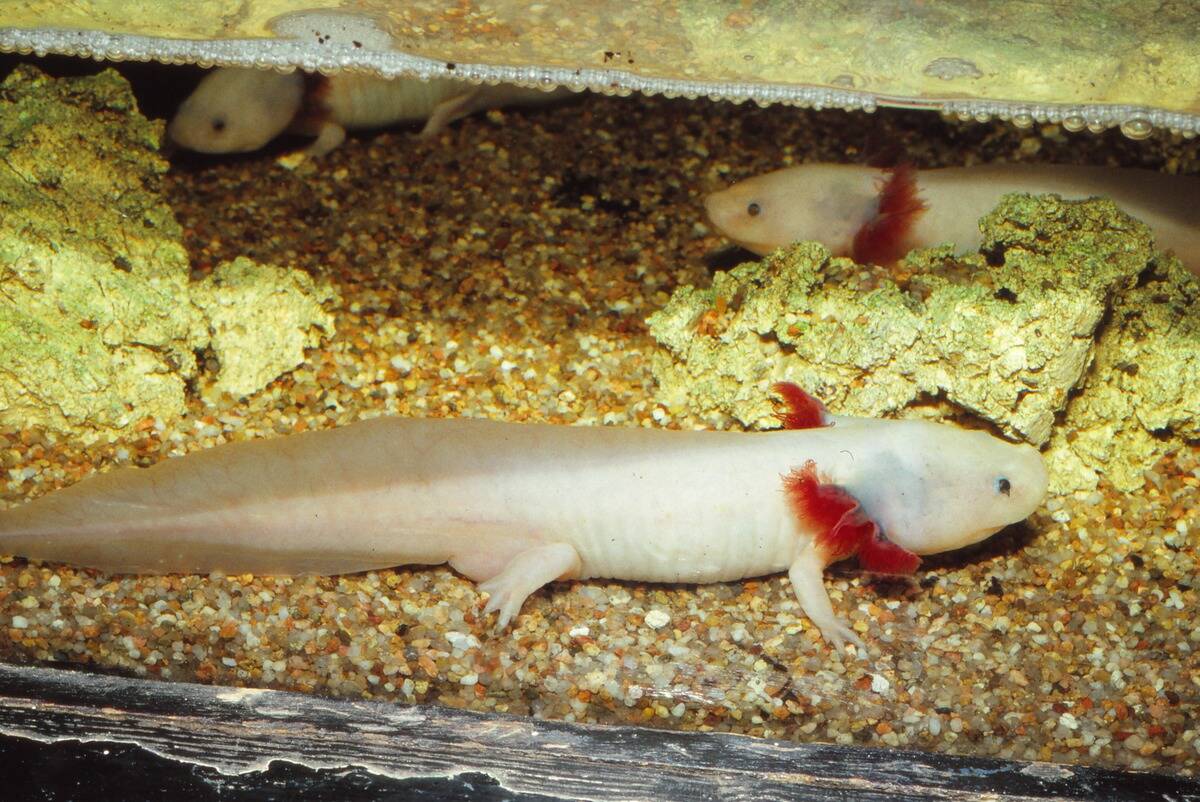
In the wild, axolotls are carnivorous, feasting on a diet of worms, insects, and small fish. In captivity, they enjoy a similar menu, often including bloodworms, brine shrimp, and specially formulated pellets.
It’s important to provide a balanced diet to ensure their health and longevity. Overfeeding can lead to obesity, so portion control is key when caring for these charming amphibians.
Axolotl’s Role in Scientific Research
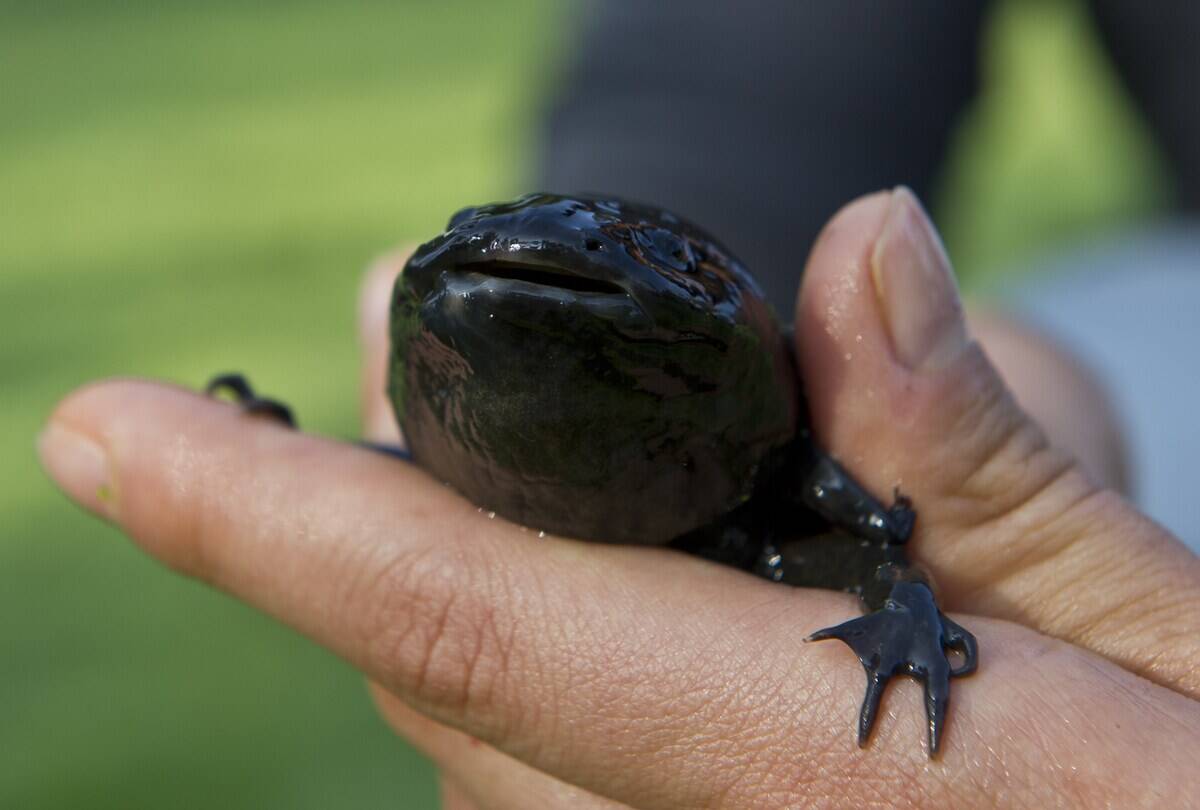
Axolotls are invaluable to scientific research, particularly in the fields of regeneration and developmental biology. Their ability to regrow limbs and organs without scarring offers insights into cellular regeneration and healing.
Scientists are hopeful that understanding these processes could lead to advances in regenerative medicine, potentially helping humans recover from injuries more effectively.
Conservation Status: Are Axolotls Endangered?
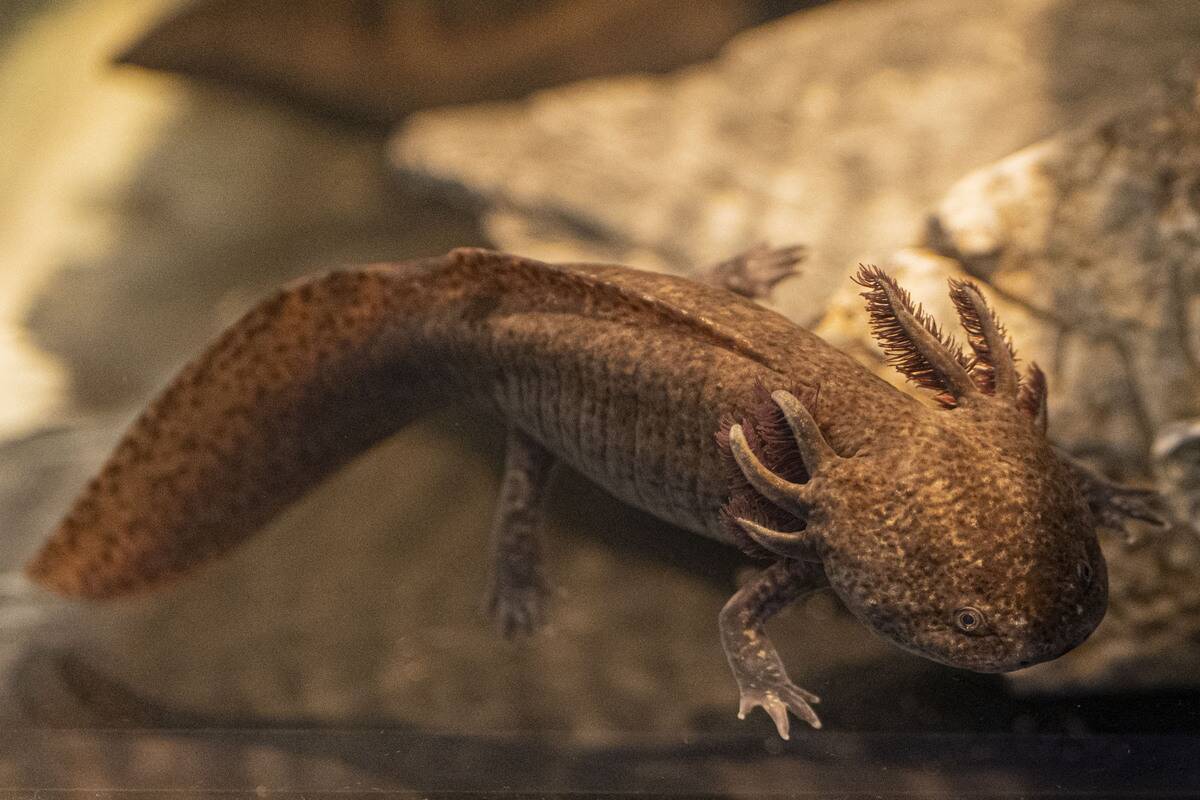
Sadly, axolotls are critically endangered in the wild, with their population declining due to habitat destruction and pollution. Efforts are being made to conserve their natural habitat and breed them in captivity to prevent extinction.
Organizations in Mexico and around the world are working tirelessly to raise awareness and implement conservation strategies to save this unique species from disappearing forever.
Axolotl’s Cultural Significance in Mexico

In Mexican culture, the axolotl holds a special place, often associated with the Aztec god Xolotl. According to legend, Xolotl transformed into an axolotl to avoid sacrifice, embodying themes of transformation and survival.
This cultural significance is reflected in Mexican art and folklore, where the axolotl is celebrated as a symbol of resilience and adaptability.
Fun Facts About Axolotl Behavior

Axolotls are known for their curious and playful nature. They often interact with their environment and can even recognize their owners. Despite their lack of vocal cords, they communicate through body language and subtle movements.
Watching an axolotl explore its tank or hunt for food can be a delightful experience, showcasing their unique personalities and behaviors.
How to Care for an Axolotl as a Pet

Caring for an axolotl requires attention to their specific needs, including a suitable tank setup with clean, cool water and plenty of hiding spots. Regular water changes and monitoring of water parameters are essential to keep them healthy.
Feeding them a balanced diet and providing a stress-free environment will ensure they thrive in captivity. With proper care, axolotls can live up to 15 years, offering a long-lasting companionship.