Strange events that actually happened

Trending Now
History is filled with bizarre events that make us question reality. From inexplicable phenomena to human errors, these moments are as intriguing as they are strange. They remind us that truth can indeed be stranger than fiction.
In this article, we’ll explore some of the most peculiar episodes in history, each with its own unique twist that has left historians and the public alike scratching their heads.
The Dancing Plague of 1518: When Boogie Fever Took Over
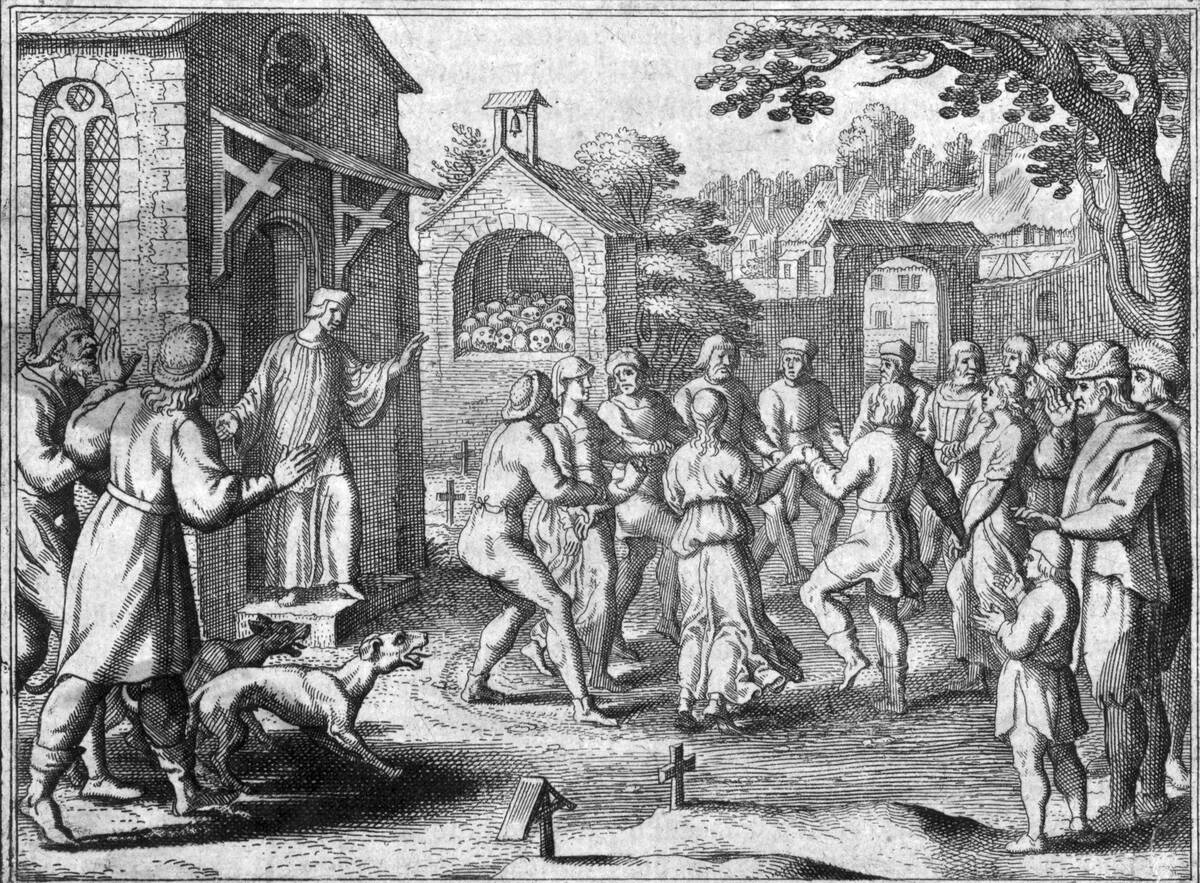
In July 1518, residents of Strasbourg, then part of the Holy Roman Empire, were struck by a sudden and uncontrollable urge to dance. It began with a single woman and soon spread to hundreds.
People danced for days without rest, and some reportedly died from exhaustion or heart attacks. Historians speculate that the cause might have been ergot poisoning, which can cause hallucinations, or mass hysteria fueled by stress and superstition.
The Great Emu War: Australia’s Feathered Fiasco

In 1932, Australia faced an unusual enemy: emus. These large, flightless birds invaded farmland in Western Australia, causing significant damage to crops. The military was called in to combat the emu invasion, armed with soldiers and machine guns.
Despite their efforts, the emus proved too elusive, and the ‘war’ ended in a victory for the birds. This event is often cited as a humorous example of nature outsmarting human intervention.
The London Beer Flood: A Sudsy Catastrophe
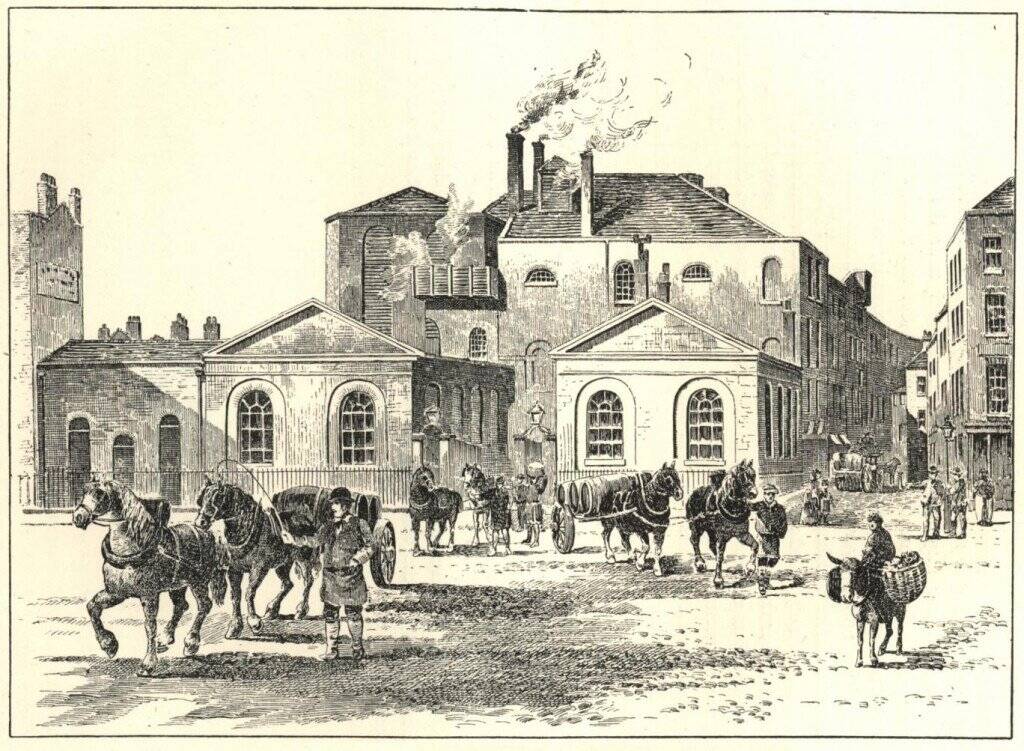
On October 17, 1814, a massive vat of beer at the Meux and Company Brewery in London burst, releasing over 323,000 gallons of beer into the streets. The torrent destroyed homes and claimed the lives of eight people.
The incident was deemed an act of God by the courts, and the brewery was not held liable. The flood is remembered as one of the strangest industrial accidents in history, highlighting the potential dangers of large-scale brewing.
The Tunguska Event: Siberia’s Mysterious Explosion
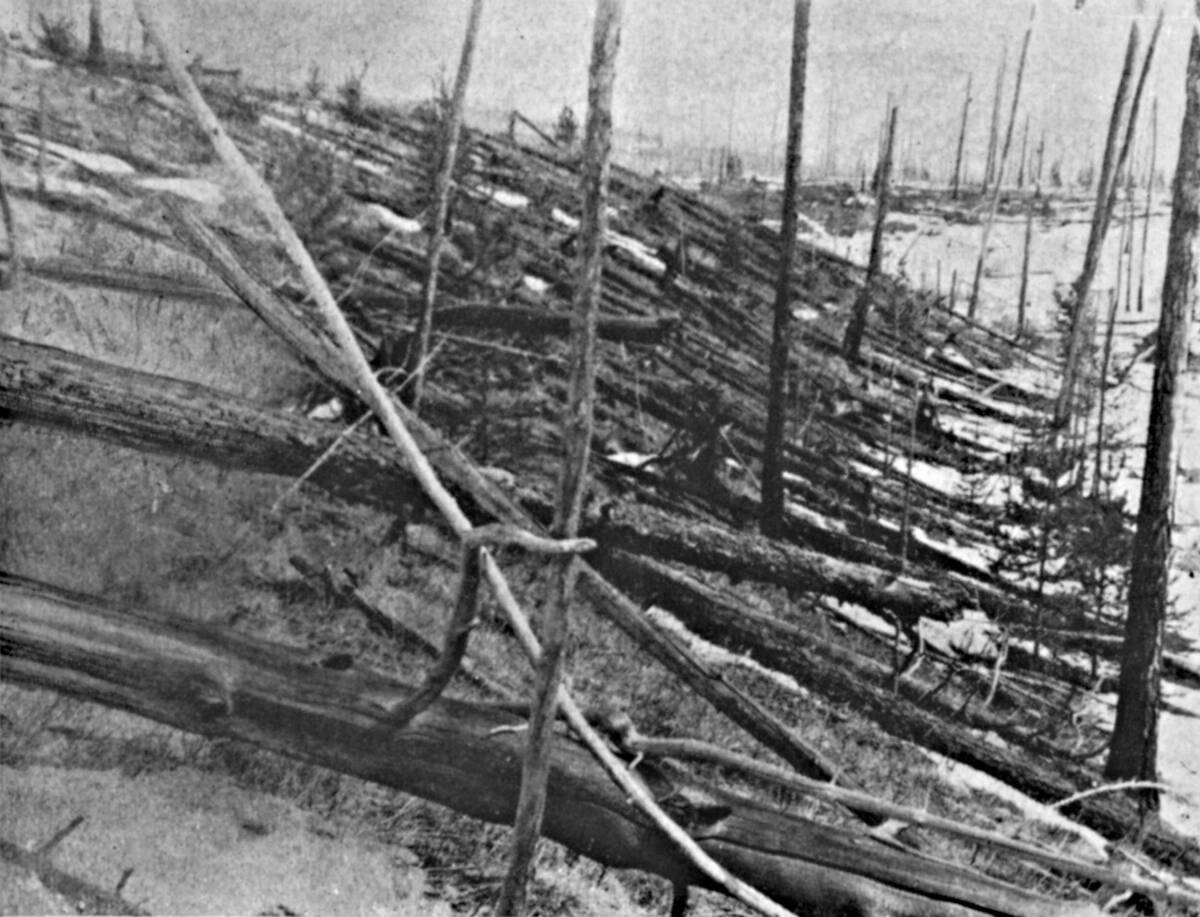
In 1908, a massive explosion flattened over 800 square miles of forest in Siberia. Known as the Tunguska Event, it is believed to have been caused by the airburst of a small comet or asteroid.
The explosion released energy equivalent to 10-15 megatons of TNT, yet no impact crater was found. The remote location delayed scientific investigation, leaving the event shrouded in mystery and fueling numerous theories, from alien intervention to black holes.
The Salem Witch Trials: Hysteria in Colonial America

In 1692, the town of Salem, Massachusetts, was gripped by a witchcraft hysteria that led to the execution of 20 people and the imprisonment of many others. The trials were fueled by fear, superstition, and a strict Puritanical belief system.
Accusations were often based on flimsy evidence and personal vendettas. The Salem Witch Trials remain a cautionary tale about the dangers of mass hysteria and the importance of due process in the justice system.
The Battle of Los Angeles: UFO Panic During WWII
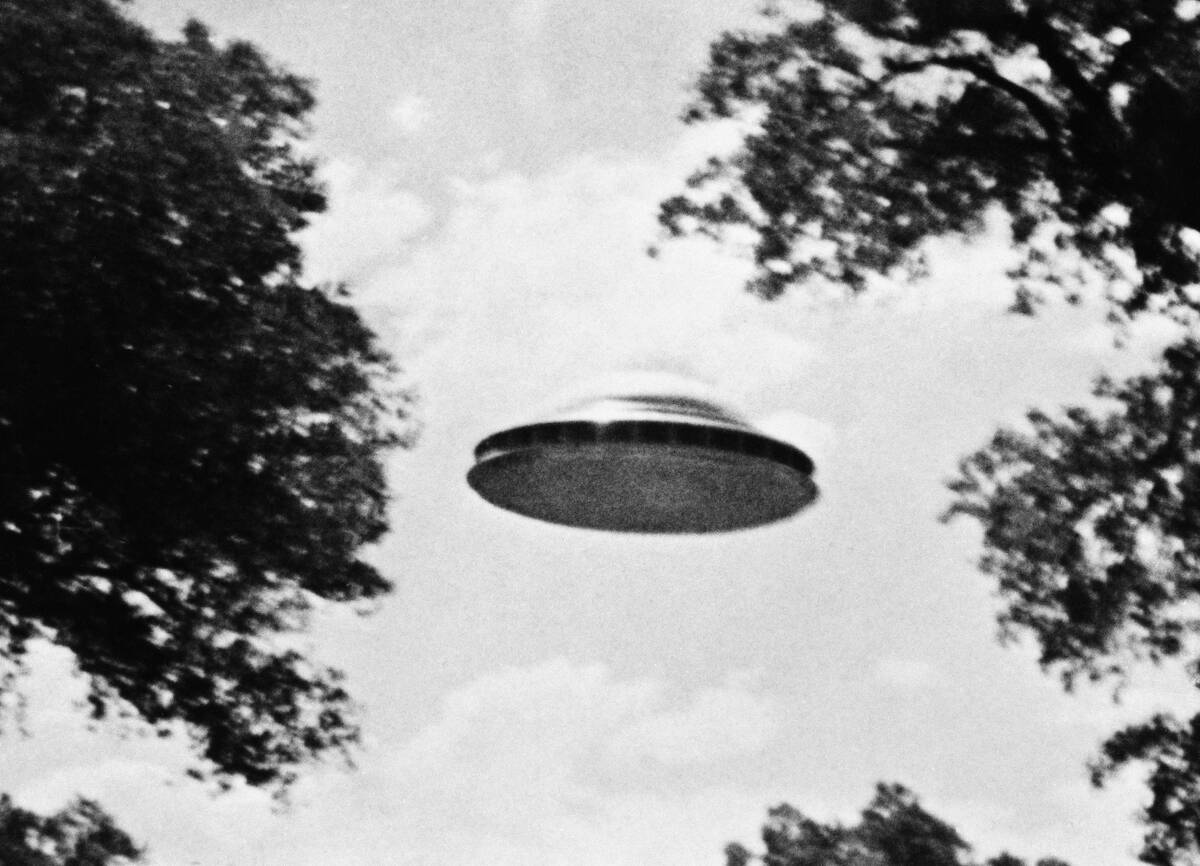
On the night of February 24-25, 1942, anti-aircraft artillery fired into the skies over Los Angeles, fearing a Japanese air raid. The incident, later dubbed the Battle of Los Angeles, resulted in no enemy aircraft being found.
Some speculated it was a false alarm triggered by weather balloons or nerves. Others believed it was an encounter with extraterrestrial visitors. The event remains a curious footnote in the annals of World War II history.
The Year Without a Summer: When a Volcano Changed the World
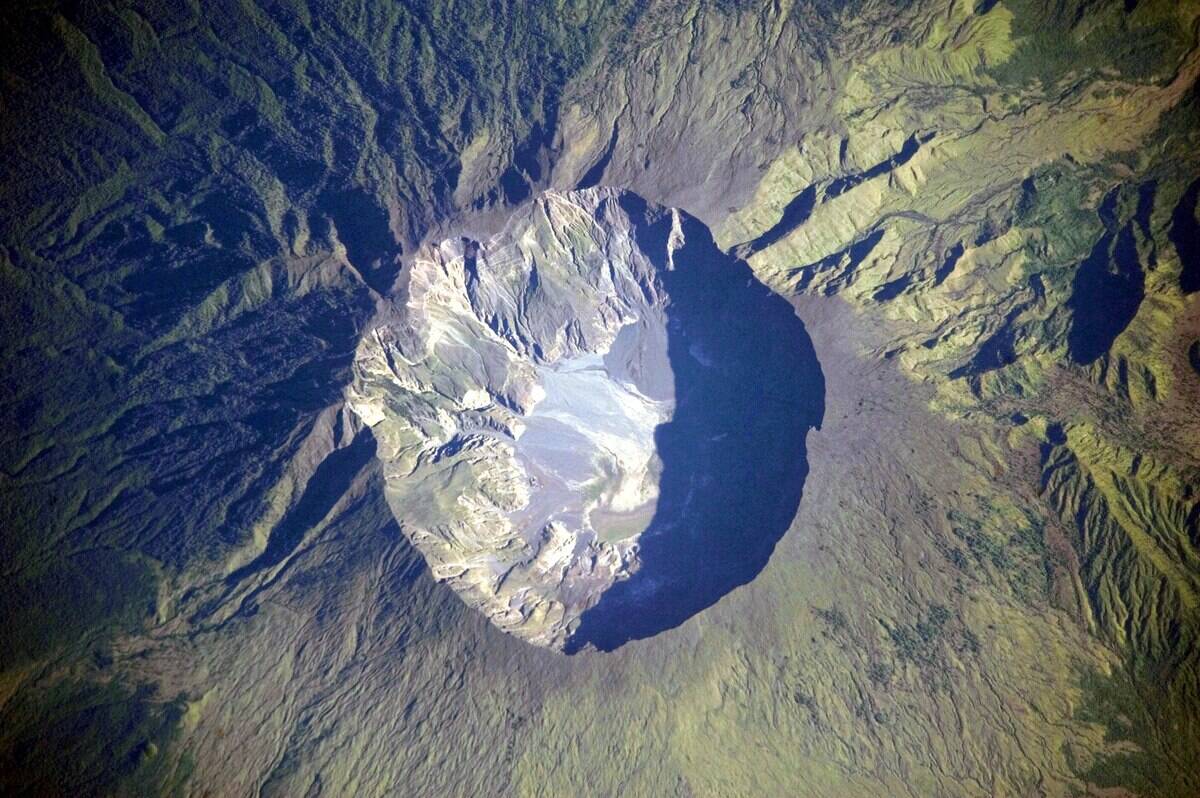
In 1816, the world experienced a year without a summer, with temperatures dropping and crops failing. This climatic anomaly was caused by the eruption of Mount Tambora in Indonesia in 1815, one of the most powerful in recorded history.
The volcanic ash and sulfur dioxide released into the atmosphere created a ‘volcanic winter,’ leading to widespread food shortages and economic hardship. The event influenced art and literature, inspiring works like Mary Shelley’s ‘Frankenstein.’
The Great Molasses Flood: Boston’s Sticky Situation
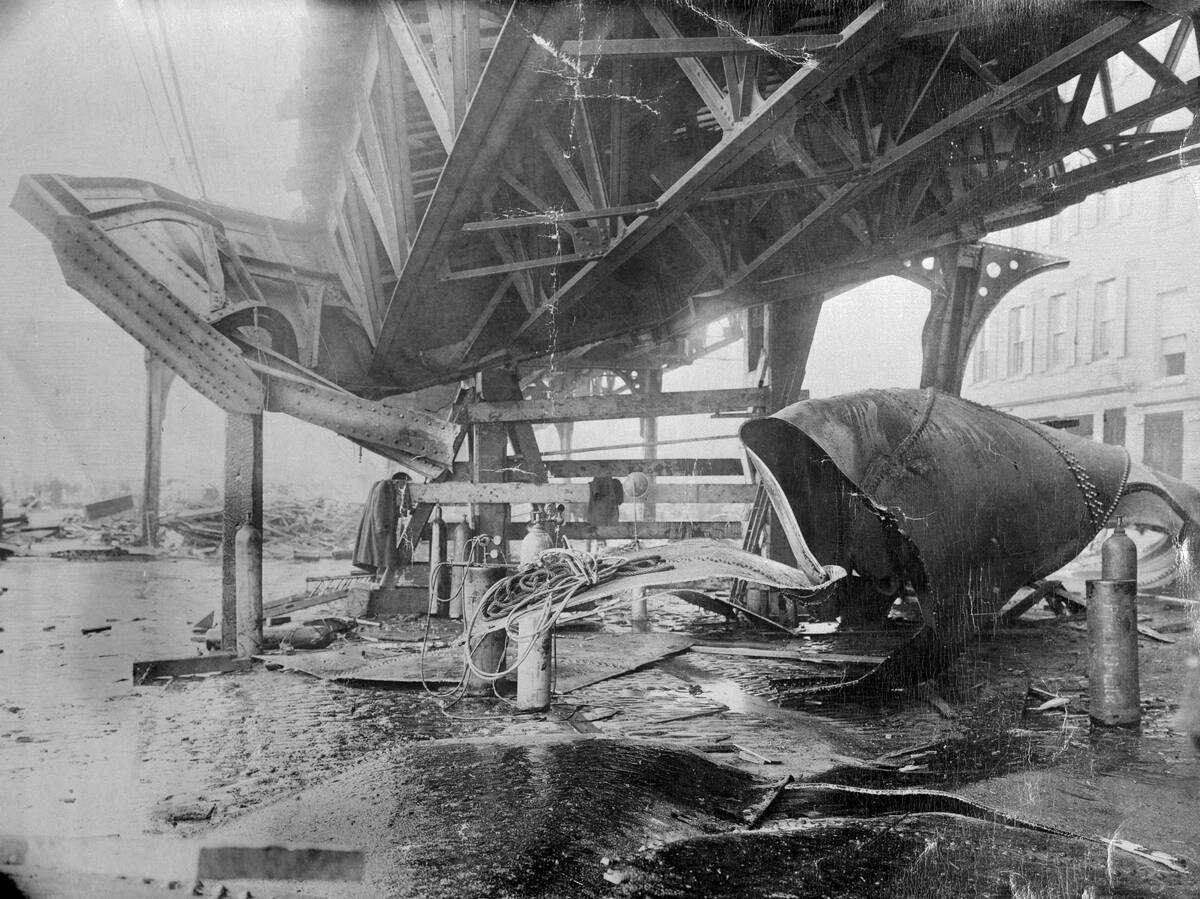
On January 15, 1919, a storage tank burst in Boston’s North End, releasing a wave of molasses that traveled at 35 mph, killing 21 people and injuring 150. The disaster, known as the Great Molasses Flood, was attributed to poor construction and maintenance of the tank.
The event highlighted the need for stricter building regulations and remains a sticky reminder of the potential consequences of industrial negligence.
The Mad Gasser of Mattoon: Phantom Attacker or Mass Hysteria?

In 1944, the town of Mattoon, Illinois, was terrorized by reports of a mysterious figure who allegedly sprayed gas into homes, causing illness. Despite numerous reports, no physical evidence or suspect was ever found.
The phenomenon, dubbed the Mad Gasser of Mattoon, is often considered a case of mass hysteria, fueled by wartime anxiety and media sensationalism. The incident remains a puzzling chapter in the history of American urban legends.
The War of the Stray Dog: A Canine Conflict in the Balkans
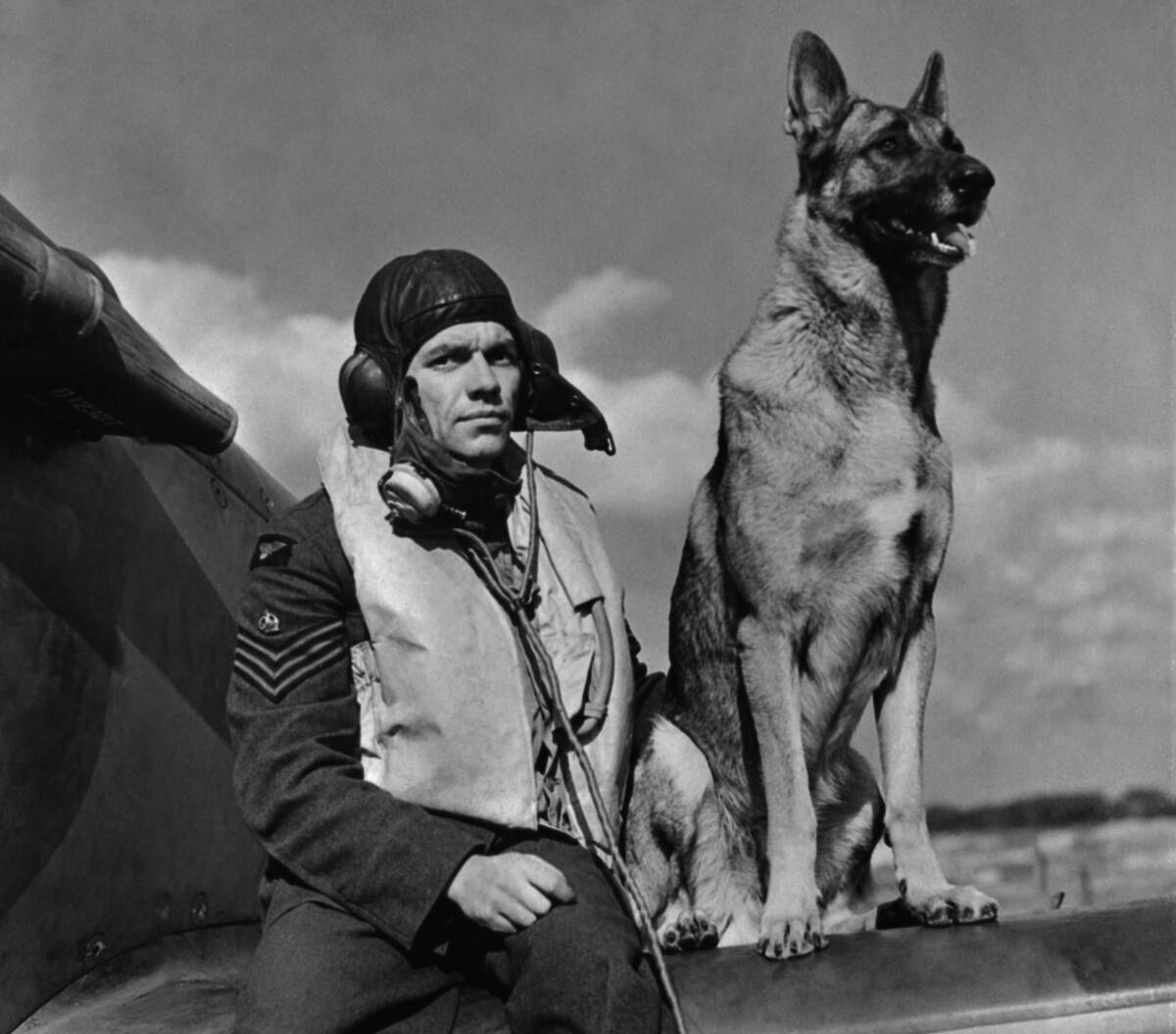
In 1925, a stray dog crossing the border between Greece and Bulgaria led to a military confrontation known as the War of the Stray Dog. The incident escalated quickly, resulting in casualties on both sides.
The League of Nations intervened, and the conflict was resolved diplomatically. This peculiar episode underscores how minor incidents can spiral into international disputes, highlighting the fragility of peace in volatile regions.
The Nuremberg Trials of Animals: When Pigs Faced Justice

In medieval Europe, animals were sometimes put on trial for crimes, a practice that seems bizarre by today’s standards. One of the most famous cases occurred in 1386 when a sow was tried and executed for allegedly killing a child in Falaise, France.
These trials were conducted with surprising seriousness, complete with legal representation for the animals. They reflect the anthropomorphic views of the time and the symbolic nature of justice in medieval society.
The Laki Eruption: Iceland’s Volcanic Nightmare
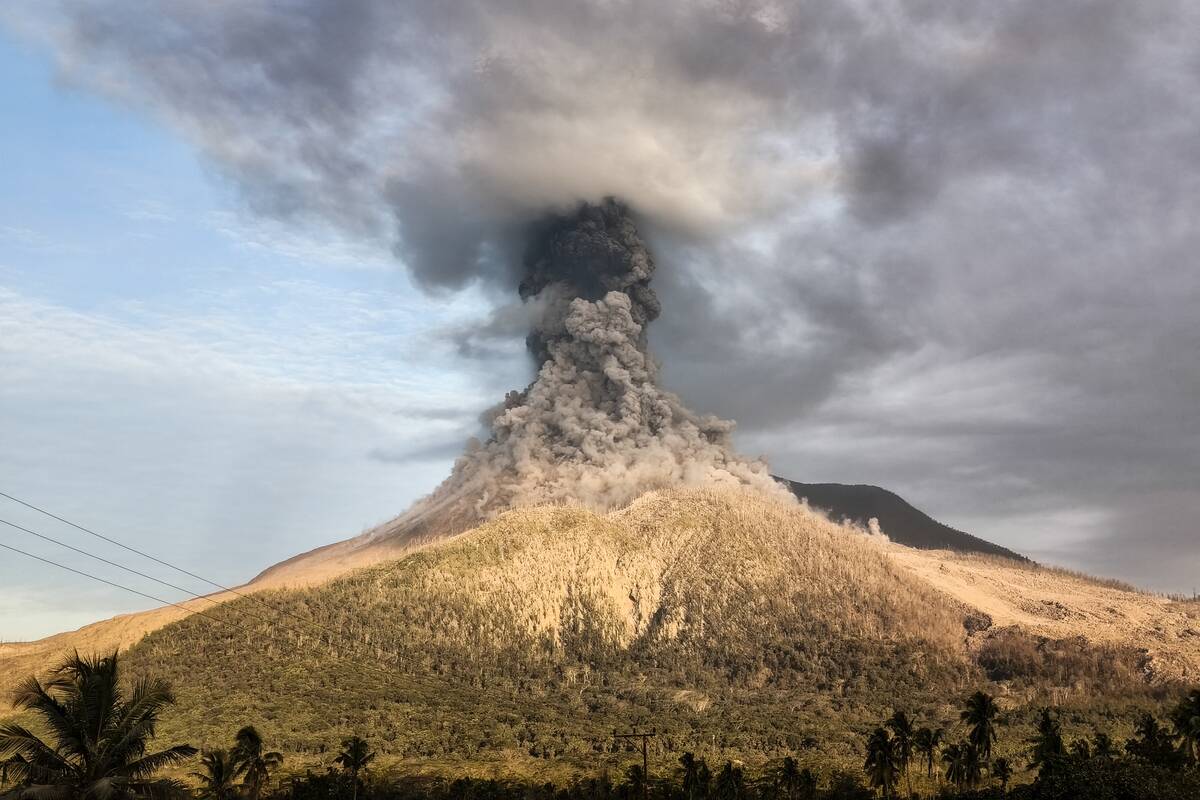
In 1783, Iceland’s Laki volcanic fissure began an eruption that continued for approximately eight months, releasing vast quantities of lava and sulfur-rich gases. The resulting haze caused severe air pollution across parts of Europe, while fluorine contamination devastated Icelandic livestock and contributed to famine.
The eruption also affected Northern Hemisphere weather, and resulted in crop failures outside Iceland. Around one-fifth of Iceland’s population died during the ensuing crisis.
The Miracle of the Sun: A Celestial Spectacle in Portugal
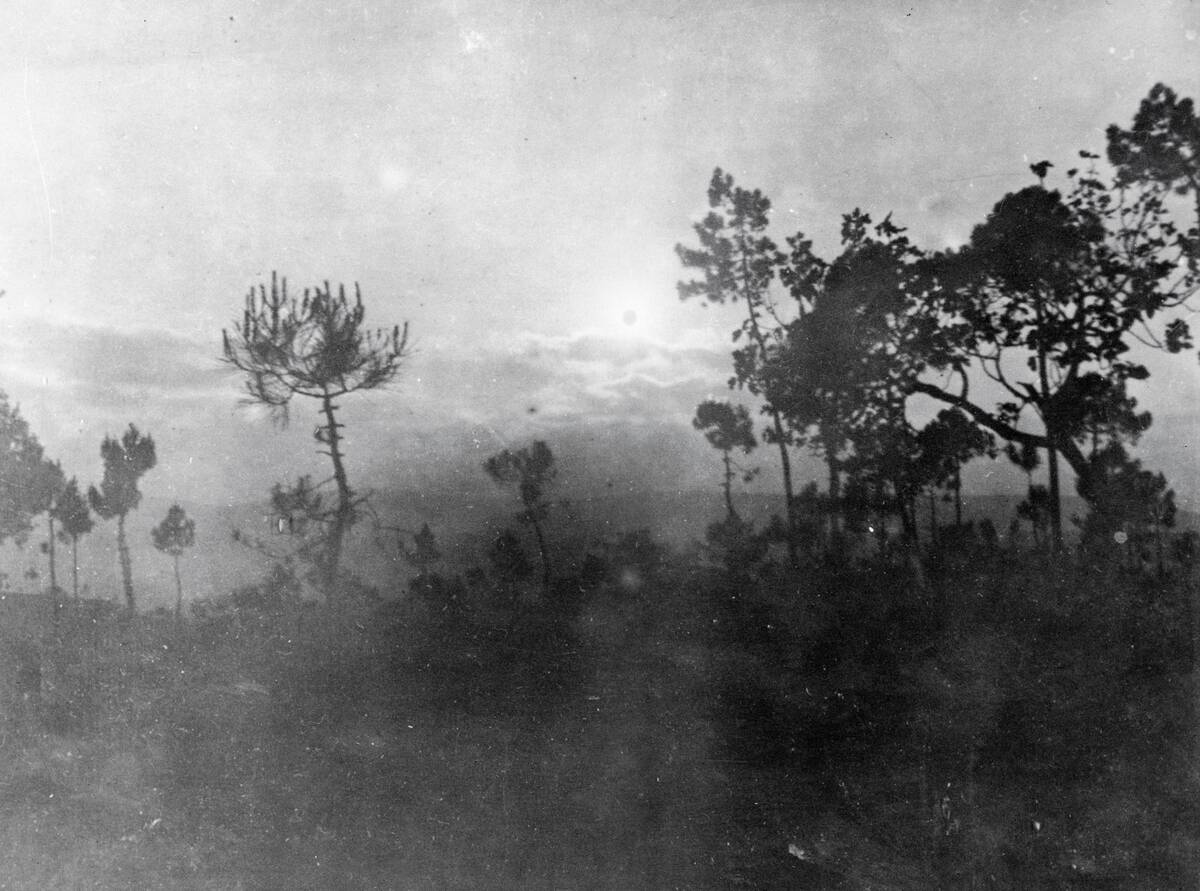
On October 13, 1917, thousands of people gathered in Fátima, Portugal, to witness a predicted miracle. According to reports, the sun appeared to dance in the sky, emitting multicolored lights. This event, known as the Miracle of the Sun, was declared a miracle by the Catholic Church.
Skeptics suggest it was a natural optical phenomenon or mass hallucination. Regardless, it remains a significant religious event and a fascinating example of collective human experience.
The Case of the Exploding Whale: Oregon’s Unforgettable Cleanup
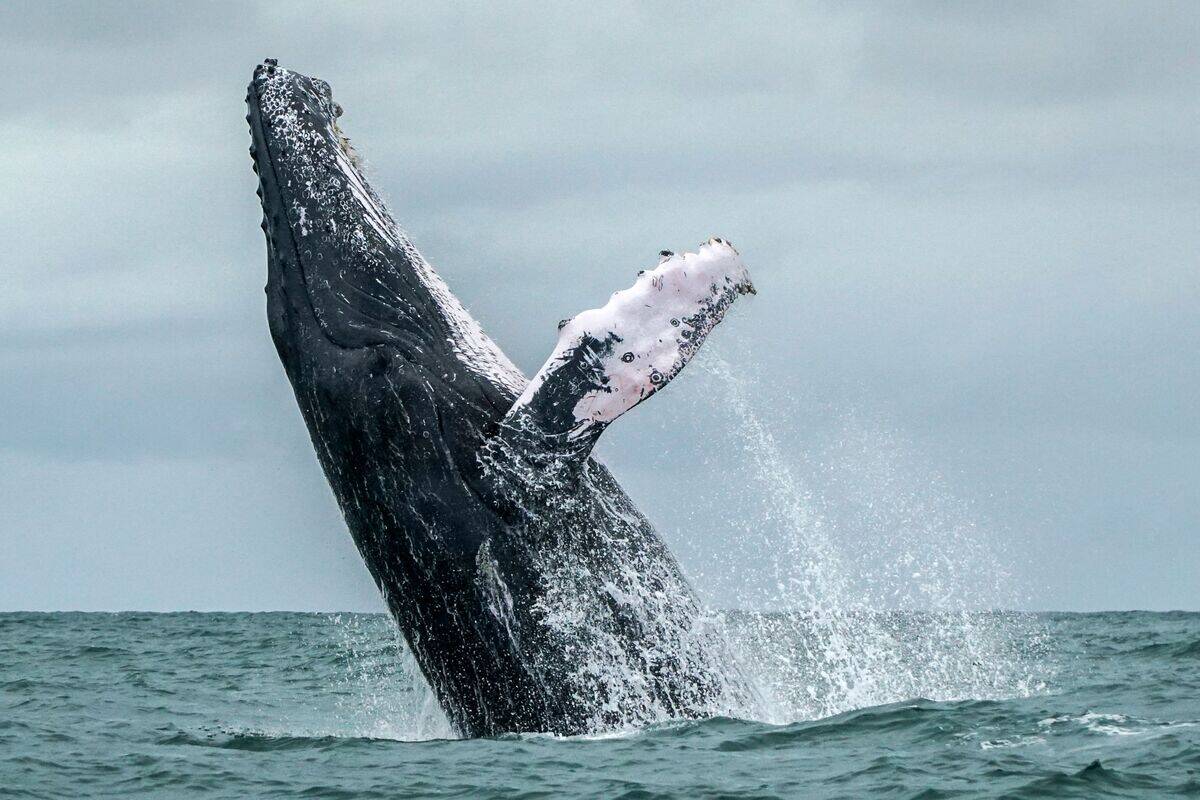
In November 1970, a dead sperm whale washed ashore in Florence, Oregon. To dispose of the carcass, authorities decided to use dynamite, hoping the pieces would be consumed by scavengers.
The explosion sent whale blubber flying over a wide area, damaging property and creating a foul mess. The incident became a media sensation and is remembered as a humorous example of a well-intentioned plan gone hilariously wrong.
The Great Stink of London: When the Thames Turned Toxic

In the summer of 1858, the River Thames in London became overwhelmed with untreated sewage, creating a stench so overpowering that it halted parliamentary proceedings. Known as the Great Stink, the event prompted the construction of a modern sewer system designed by Joseph Bazalgette.
This engineering marvel helped transform London into a cleaner, healthier city and underscored the importance of urban sanitation in the face of rapid industrialization.
The Dyatlov Pass Incident: Russia’s Unsolved Mystery
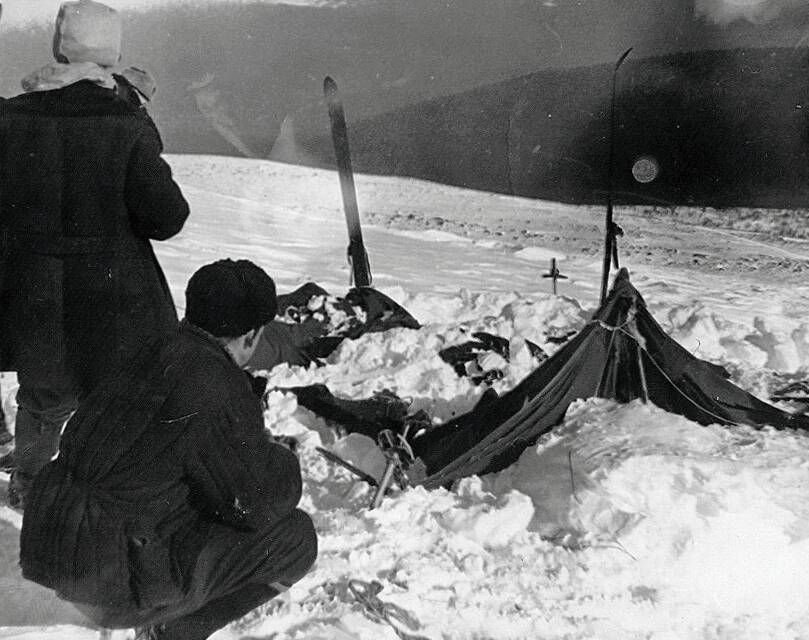
In 1959, nine hikers died under mysterious circumstances in the Ural Mountains of Russia. Their tent was found torn open from the inside, and their bodies were discovered with unexplained injuries.
The Dyatlov Pass Incident has sparked numerous theories, from avalanches to secret military tests and even extraterrestrial encounters. Despite several investigations, the true cause of the hikers’ deaths remains unknown, making it one of the 20th century’s most enduring mysteries.