Why the Moon is slowly moving away from Earth

Trending Now
The Earth and Moon have been partners in a cosmic dance for billions of years. This celestial relationship is not just a beautiful sight but also a dynamic interaction that affects both bodies.
The gravitational pull between them creates tides, stabilizes Earth’s rotation, and even influences the length of our days. As we gaze at the Moon, it’s fascinating to think about how this dance has evolved over time and continues to shape our planet.
The Moon’s Role in Earth’s Night Sky

The Moon is Earth’s only natural satellite and plays a crucial role in lighting up our night sky. Its phases, from new moon to full moon, have been used by many cultures to track time.
The Moon’s brightness and proximity make it a favorite subject for astronomers and stargazers alike. Its presence not only enhances the beauty of the night but also serves as a constant reminder of our place in the universe.
A Brief History of the Earth-Moon Relationship
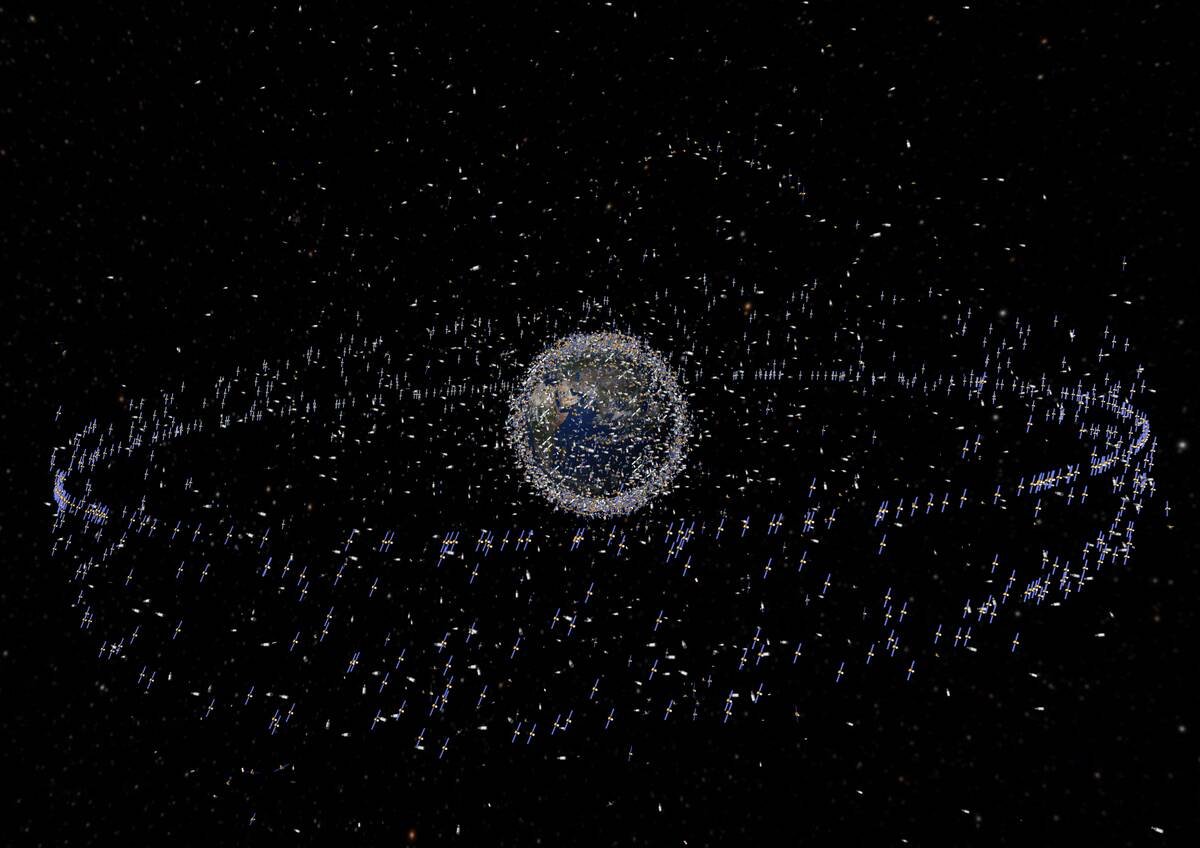
The Earth-Moon relationship began about 4.5 billion years ago, likely from a colossal impact between Earth and a Mars-sized body. This event led to debris orbiting Earth, eventually coalescing into the Moon.
Over time, the gravitational forces between Earth and Moon have shaped their interactions, leading to phenomena like tidal locking, where the same side of the Moon always faces Earth. This ancient bond continues to influence both celestial bodies today.
The Science Behind the Moon’s Drift
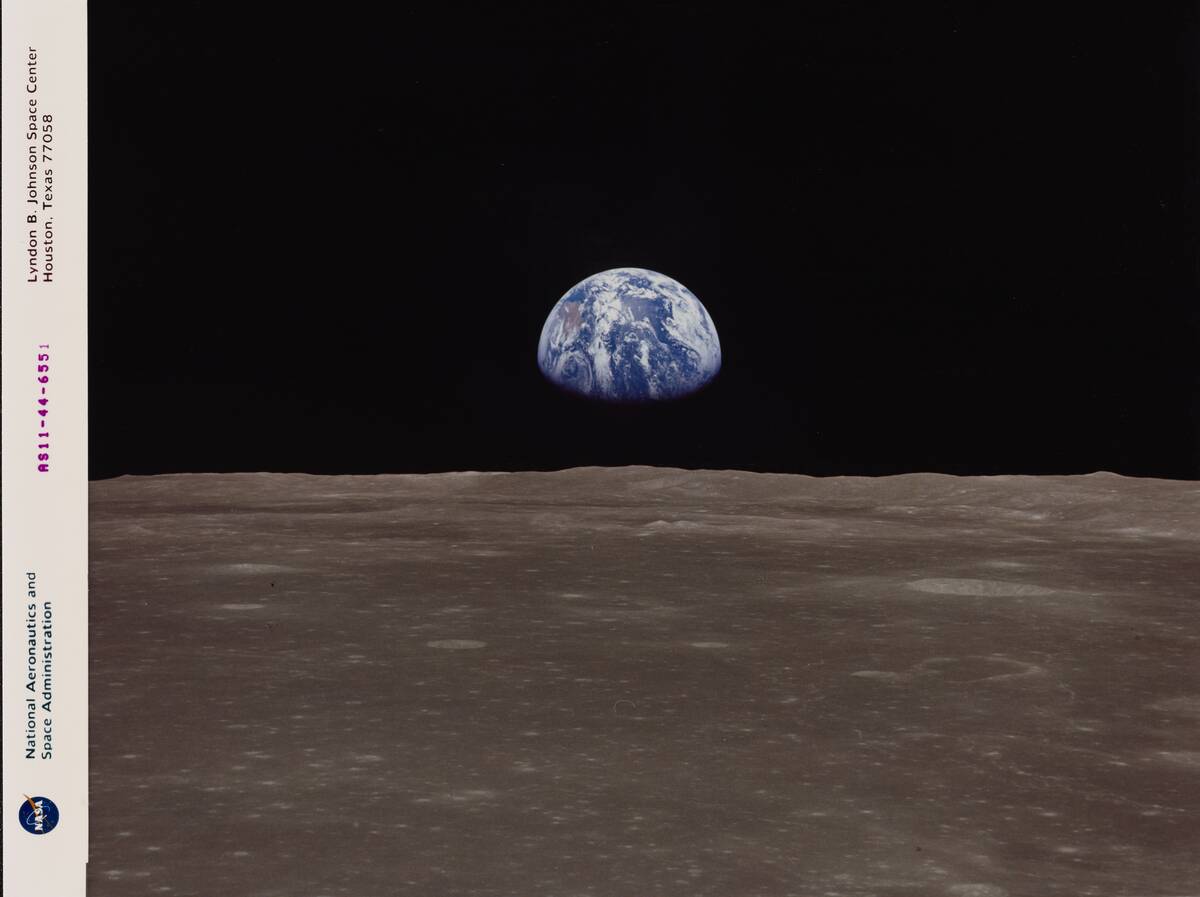
The Moon is gradually drifting away from Earth at a rate of about 3.8 centimeters per year. This drift is a result of complex gravitational interactions, primarily due to tidal forces.
As Earth’s rotation slows, energy is transferred to the Moon, pushing it into a higher orbit. This process is slow but significant, offering insights into the dynamic nature of celestial mechanics and the long-term evolution of planetary systems.
Gravitational Forces at Play

Gravitational forces between Earth and the Moon are the primary drivers of their interaction. These forces not only keep the Moon in orbit but also affect Earth’s tides and rotation.
The gravitational pull of the Moon causes the Earth’s water to bulge, leading to high and low tides. This interaction is a delicate balance that has been maintained for billions of years and continues to shape the Earth-Moon system.
Measuring the Moon’s Movement: Laser Ranging Experiments

Laser ranging experiments have been crucial in measuring the Moon’s drift. By bouncing laser beams off retroreflectors left on the Moon by Apollo missions, scientists can measure the distance to the Moon with incredible precision.
These experiments have confirmed that the Moon is moving away from Earth at a rate of about 3.8 centimeters per year. This precise measurement provides valuable data for understanding the dynamics of the Earth-Moon system.
The Impact of the Moon’s Drift on Earth
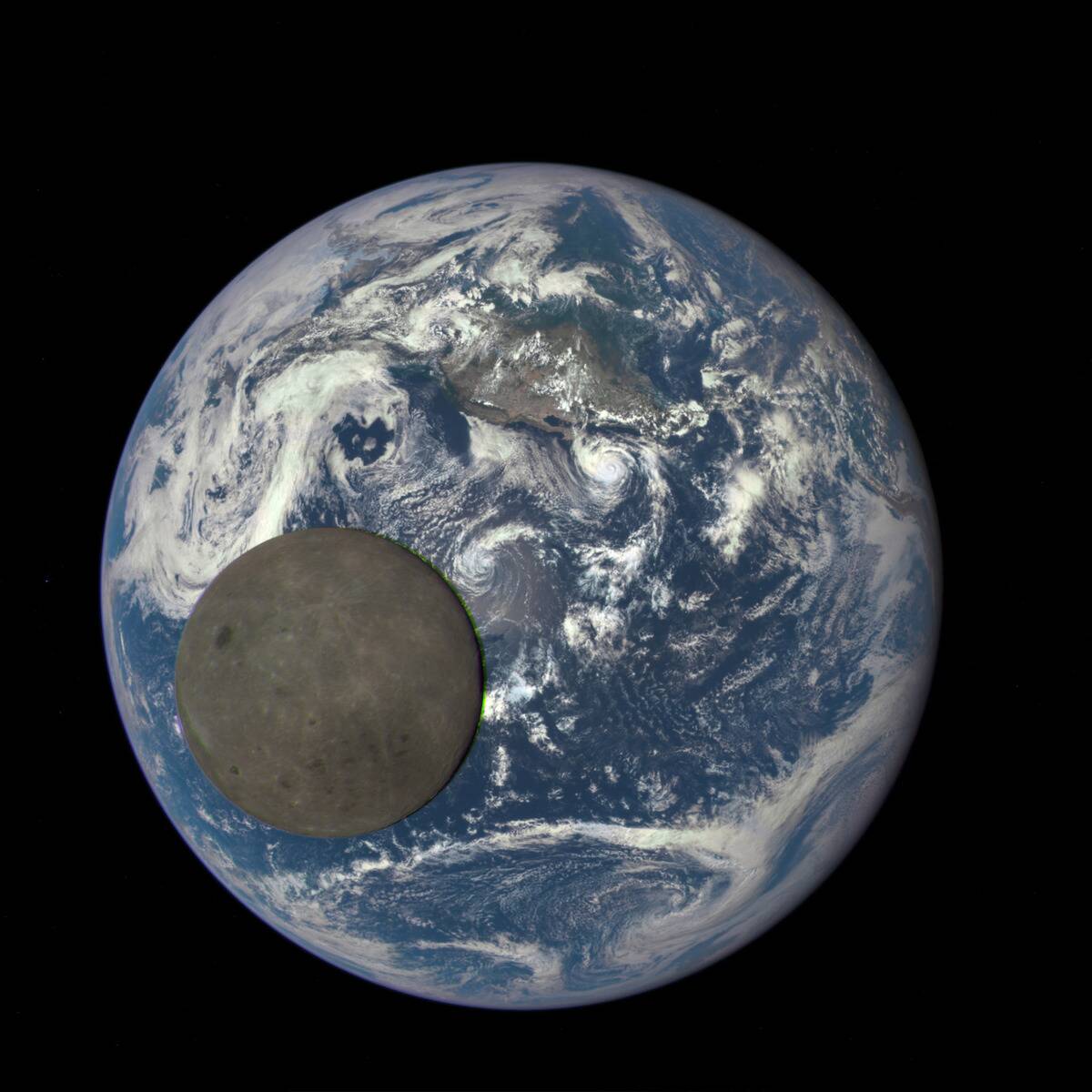
The Moon’s drift affects Earth in several ways, including changes in tides and the length of our days. As the Moon moves away, tidal forces weaken, leading to smaller tidal ranges.
Additionally, the transfer of rotational energy from Earth to the Moon causes Earth’s rotation to slow, gradually lengthening our days. These changes are subtle but have long-term implications for Earth’s climate and ecosystems.
What Would Happen if the Moon Drifted Too Far?

If the Moon drifted too far from Earth, it could have significant consequences. Tides would become weaker, affecting marine life and coastal ecosystems. The stabilization effect the Moon has on Earth’s axial tilt would diminish, potentially leading to more extreme climate variations.
While this scenario is unlikely to occur for billions of years, understanding the potential impacts highlights the importance of the Moon in maintaining Earth’s balance.
The Effect on Earth’s Rotation and Day Length

The Moon’s gravitational pull affects Earth’s rotation, causing it to slow down over time. This gradual deceleration leads to longer days, with the length of a day increasing by about 1.7 milliseconds per century.
While this change is imperceptible on a human timescale, it has significant implications over geological time. The Moon’s influence on Earth’s rotation is a testament to the interconnectedness of celestial bodies in our solar system.
The Moon’s Drift and Its Impact on Future Eclipses
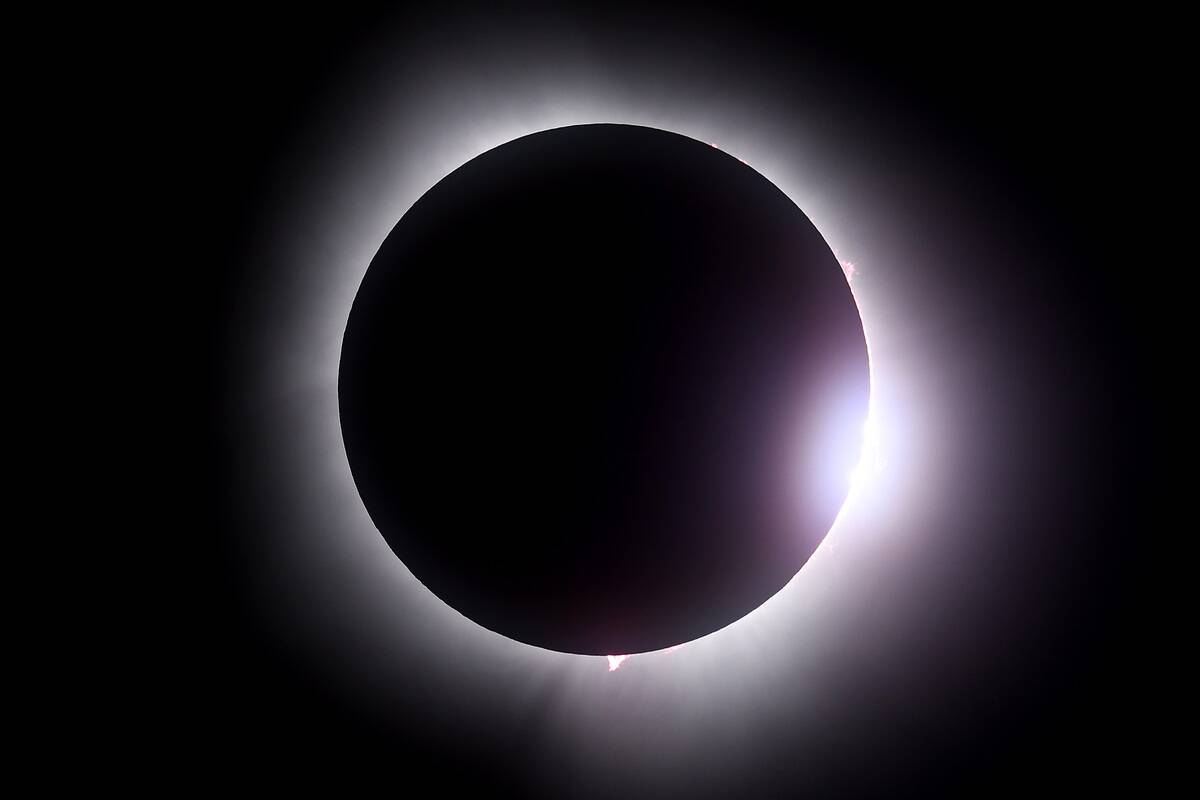
As the Moon drifts away, its apparent size in the sky decreases, affecting future eclipses. In the distant future, total solar eclipses may become less frequent as the Moon will no longer completely cover the Sun.
This drift means that the spectacular celestial events we enjoy today will change over time. While this won’t happen for millions of years, it highlights the dynamic nature of our solar system and the ever-changing view of the cosmos.
Fun Facts About the Moon’s Journey

Did you know that the Moon is slowly moving away from Earth at the same rate your fingernails grow? This gradual drift has been occurring for billions of years.
The Moon is also tidally locked, meaning we only ever see one side from Earth. Its journey through space is not just a scientific marvel but also a source of endless curiosity and wonder for those who gaze up at the night sky.
How Scientists Predict the Moon’s Future Path

Scientists use a combination of mathematical models and observational data to predict the Moon’s future path. By analyzing the gravitational interactions between Earth and the Moon, along with data from laser ranging experiments, they can forecast the Moon’s drift.
These predictions help scientists understand the long-term evolution of the Earth-Moon system and its potential impact on our planet’s future.
The Moon’s Drift in the Context of the Solar System’s Evolution
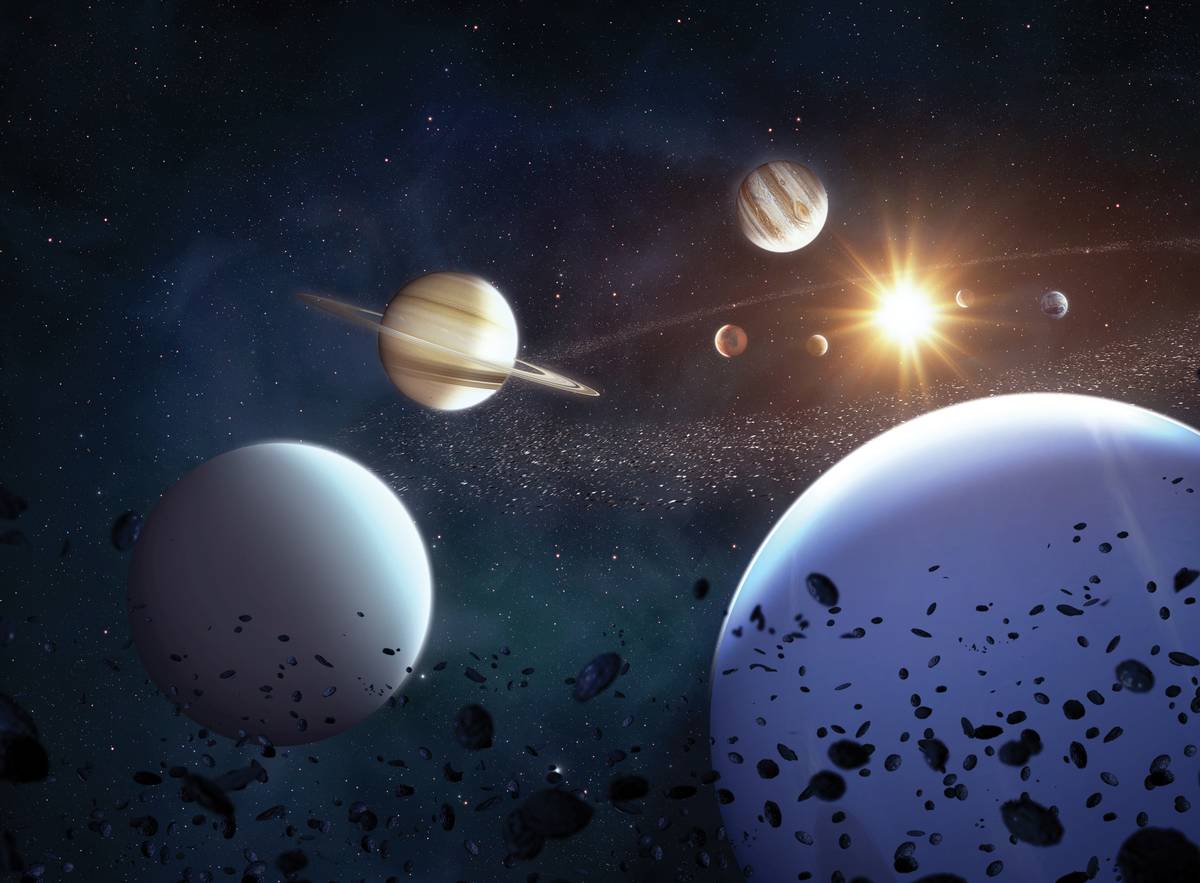
The Moon’s drift is part of the broader evolution of the solar system. As celestial bodies interact, they influence each other’s orbits and rotations. The Earth-Moon system is just one example of these dynamic processes.
Studying the Moon’s drift provides insights into the history and future of the solar system, helping scientists understand the complex interactions that have shaped the planets and moons we see today.