The psychology of smartphones and how they spike your dopamine levels

In today’s fast-paced digital world, notifications have become an integral part of our lives. These alerts, whether from social media, emails, or apps, are designed to grab our attention and keep us engaged.
But what’s the science behind this? It all boils down to dopamine, a neurotransmitter that plays a key role in how we feel pleasure and motivation. Understanding this connection helps explain why notifications can be so addictive.
A Quick Dive into Dopamine: The Brain’s Feel-Good Chemical
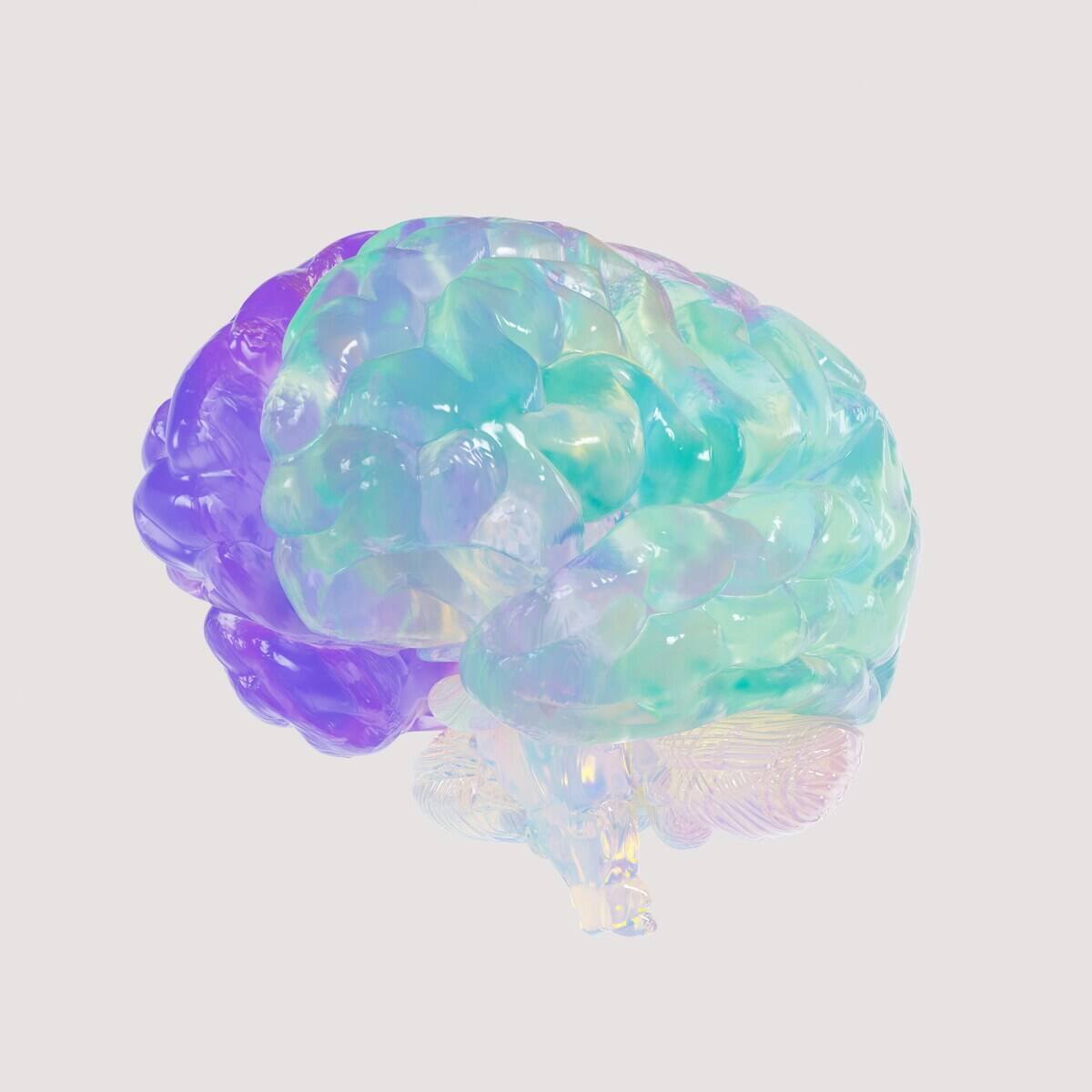
Dopamine is often dubbed the ‘feel-good’ chemical because it’s released in the brain when we experience something pleasurable. It’s involved in reward, motivation, and even addiction. When you receive a notification, your brain releases dopamine, creating a sense of anticipation and excitement.
This is the same chemical response that occurs when people indulge in their favorite hobbies or eat a delicious meal.
The Evolution of Human Attention: From Survival to Smartphones

Human attention has evolved from focusing on survival needs, like spotting predators, to navigating complex digital environments. Our ancestors relied on sharp attention for survival, but today, our brains are bombarded with information from smartphones.
This shift has transformed how we process and prioritize stimuli, making notifications irresistible as they tap into our evolved instinct to notice new and potentially important information.
Why Your Phone is Like a Slot Machine: The Role of Intermittent Rewards
Much like a slot machine, your phone delivers intermittent rewards, which are unpredictably timed notifications that keep you coming back for more. This unpredictability triggers dopamine release, reinforcing compulsive checking.
Just as gamblers feel a rush when they hit the jackpot, phone users experience pleasure when notifications bring unexpected social interactions or engaging content, making it hard to resist frequent phone checks.
The Neuroscience Behind Notifications: What Happens in Your Brain?

When a notification pings, your brain’s reward system lights up, particularly the ventral tegmental area, a key player in dopamine production. This activation creates a loop of anticipation, reward, and reinforcement.
Over time, your brain associates notifications with potential rewards, similar to Pavlov’s dogs salivating at the sound of a bell. This learned response explains why notifications can be so incredibly captivating.
Instant Gratification: How Notifications Promise Quick Rewards

Notifications deliver instant gratification, promising immediate interaction or information. This aligns perfectly with our innate desire for quick rewards. Each buzz suggests a new message or update, tapping into our curiosity and need for social connection.
This promise of rapid satisfaction fuels our urge to check our phones repeatedly, often interrupting our tasks and leading to the constant chase for the next digital reward.
The FOMO Effect: Fear of Missing Out and Dopamine Triggers

The Fear of Missing Out (FOMO) is a powerful emotional trigger that notifications exploit. FOMO is driven by the anxiety that others are having rewarding experiences without us, prompting a dopamine surge when we engage with notifications.
This fear keeps us glued to our devices, as each alert might mean a missed opportunity for social interaction or critical information.
Social Media and Dopamine: Likes, Comments, and Shares
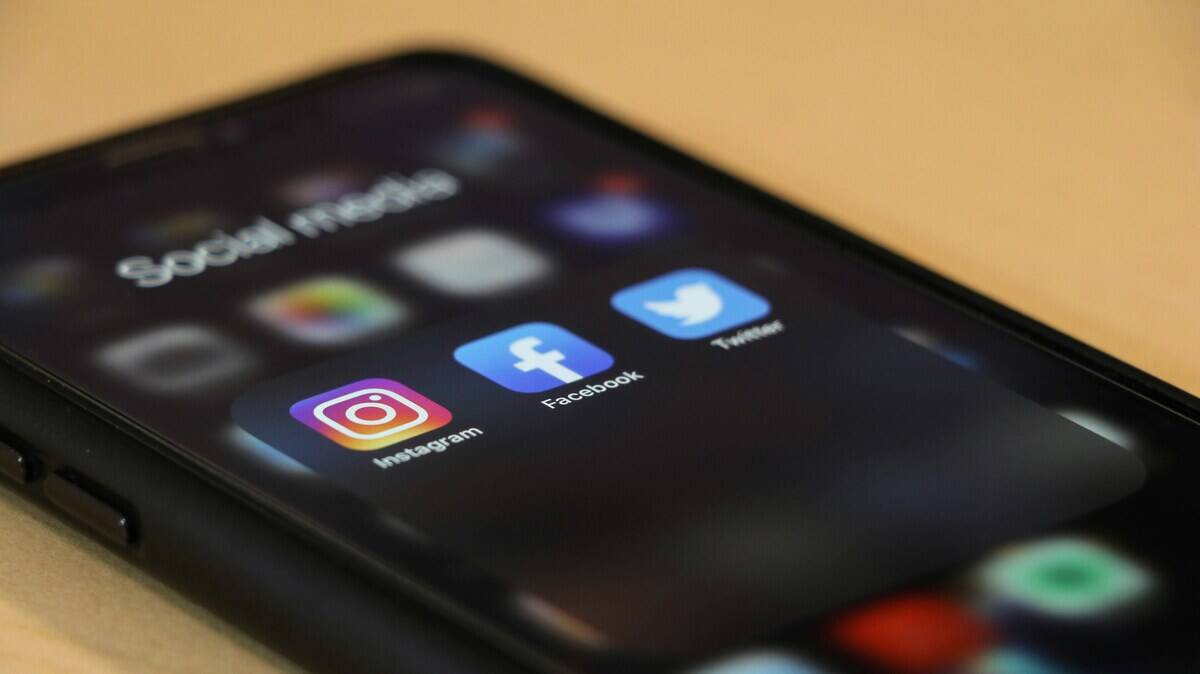
Social media platforms are meticulously designed to boost dopamine release through likes, comments, and shares. Each interaction provides a small but satisfying hit of dopamine, reinforcing the behavior and encouraging frequent use.
The more engagement you receive, the more dopamine your brain releases, creating a cycle of validation and craving for more interaction, which keeps users hooked on scrolling through their feeds.
Apps Designed to Hook You: The Psychology of User Engagement

Apps are designed with psychology in mind, using techniques like variable rewards and gamification to boost user engagement. These strategies ensure users keep coming back for more, tapping into the dopamine-driven pleasure responses.
By offering rewards unpredictably, apps mimic the same mechanisms that make betting addictive, turning casual users into habitual ones as they seek the next dopamine hit.
The Role of Anticipation: Why Just Expecting a Notification is Exciting

Even the mere anticipation of a notification can be exciting, triggering dopamine production in the brain. This expectation can be just as potent as the notification itself, as our brains are wired to find pleasure not only in rewards but also in the anticipation of them.
This explains why the red notification dot can be so enticing, leaving us eagerly awaiting the next alert.
Notifications and the Attention Economy: Big Tech’s Strategy

In the attention economy, tech companies compete for your focus, using notifications as a strategic tool. By capturing your attention, they increase engagement and, ultimately, revenue. Notifications are crafted to be appealing and hard to ignore, leveraging the brain’s reward system.
This strategy keeps users glued to their screens, ensuring that their attention, a valuable commodity, is continuously directed towards the company’s platform.
The Sound of Excitement: How Notification Tones Affect Your Brain

Notification tones are specifically chosen to grab your attention, often triggering a burst of excitement. These sounds are designed to be distinctive and immediately recognizable, stimulating the auditory cortex and activating the reward pathways in the brain.
The familiar ding or buzz signals potential rewards, prompting a quick check-in, and reinforcing the habit of responding to alerts as soon as they are heard.
The Habit Loop: How Notifications Reinforce Smartphone Addiction

Notifications create a habit loop consisting of cue, routine, and reward. The alert acts as a cue, prompting the routine of checking the device, which leads to the reward of receiving new information or social interaction.
This loop strengthens over time, making smartphone use a deeply ingrained habit. The anticipation and reward cycle ensures that users remain engaged, often without conscious awareness of the behavior.
The Emotional Rollercoaster: Highs and Lows of Digital Interaction

Digital interactions can feel like an emotional rollercoaster, with notifications driving both highs and lows. The thrill of a new message or comment can lift your spirits, while the absence of notifications might lead to feelings of isolation or disappointment.
This emotional fluctuation is tied to dopamine levels, which rise and fall with each interaction, creating a cycle of craving and satisfaction that keeps users hooked.
Managing the Dopamine Rush: Tips for Mindful Phone Use

To manage the dopamine rush from notifications, practice mindful phone use. Set specific times for checking notifications instead of reacting instantly to alerts. Turn off non-essential notifications to reduce distractions, and engage in activities that promote real-life interactions and relaxation.
By being intentional about phone use, you can strike a balance between staying connected and maintaining mental well-being, reducing the grip of digital dependency.