The “Dancing Plague” of 1518, explained!

Trending Now
In the summer of 1518, the streets of Strasbourg were overtaken by an inexplicable phenomenon: the Dancing Plague. This bizarre event saw hundreds of people dancing uncontrollably for days on end.
While it may sound like a scene from a surreal painting, historical records confirm its occurrence, leaving a legacy of mystery and intrigue. The Dancing Plague remains one of history’s most puzzling mass hysteria events, drawing interest from historians and scientists alike.
The Mysterious Onset: How It All Began
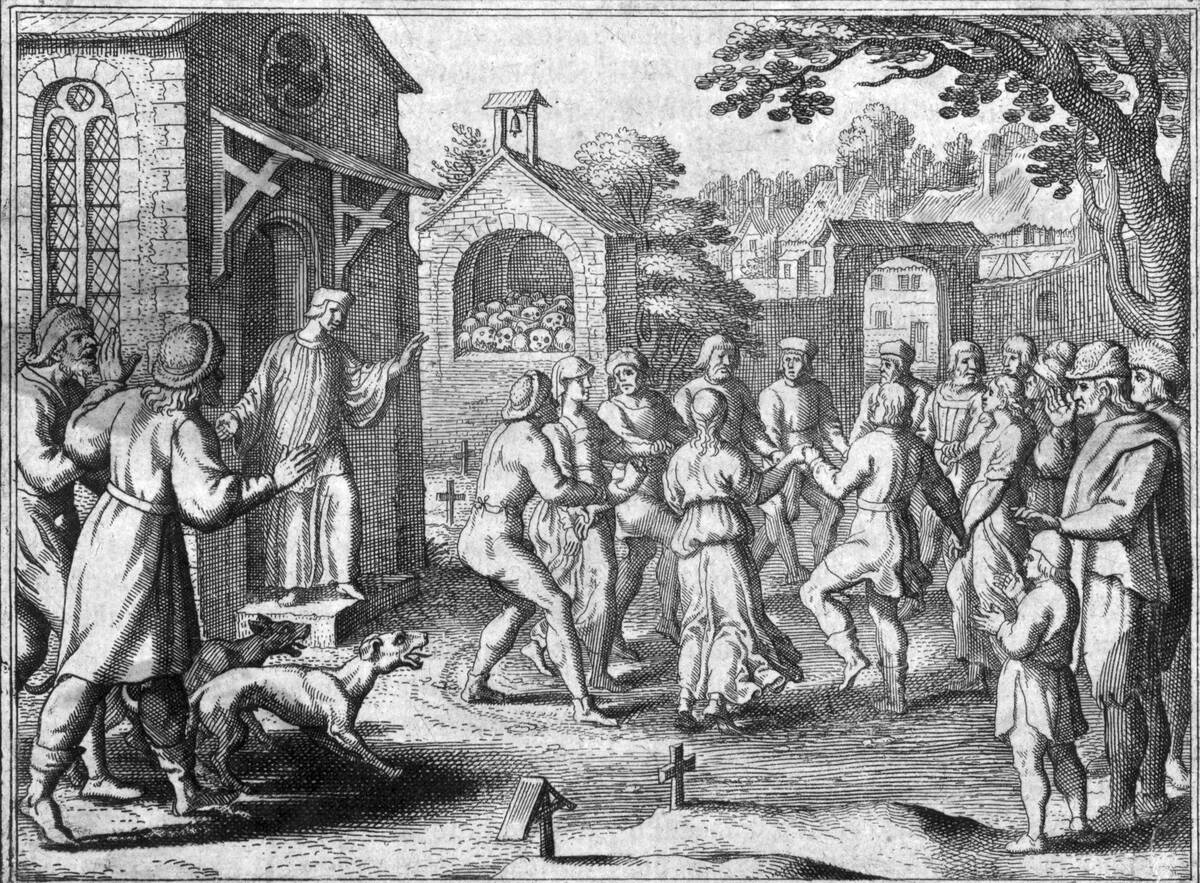
The Dancing Plague began in July 1518 when a woman named Frau Troffea took to the streets and began dancing fervently. Her dance was not one of joy but seemed involuntary, and she continued for days without rest.
As the days passed, more people joined in, unable to stop themselves. This spontaneous outbreak of dancing puzzled the townsfolk and set the stage for an event that would captivate the world for centuries.
Strasbourg: The Unlikely Epicenter

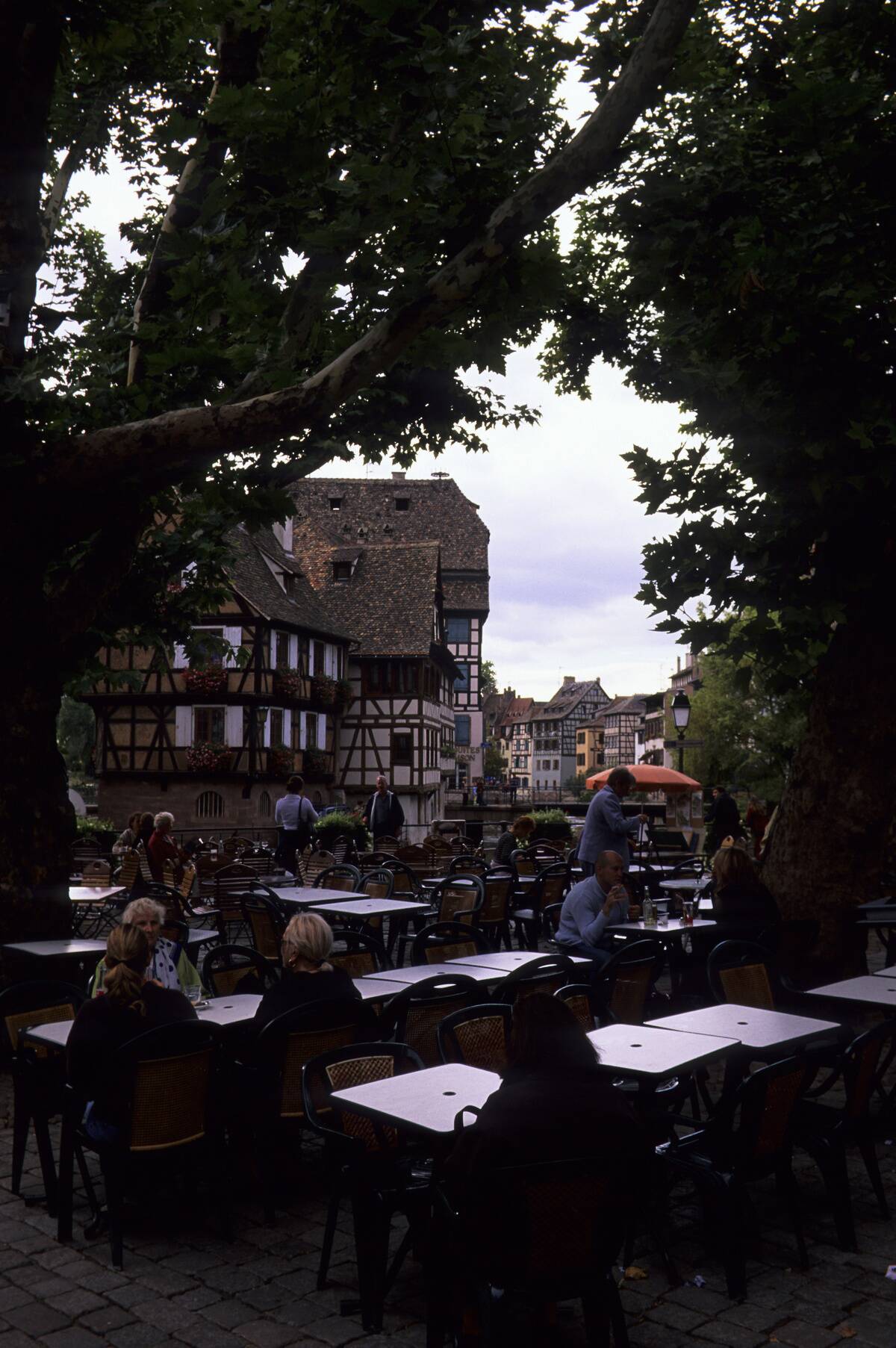
Strasbourg, a bustling city in the Holy Roman Empire, was an unlikely setting for such a peculiar event. Known for its trade and commerce, the city was not unfamiliar with the oddities of medieval life.
However, the Dancing Plague was unlike anything the citizens had witnessed before. The city’s location at the crossroads of Europe meant that news of the strange occurrence traveled quickly, drawing curious onlookers and chroniclers from afar.
The First Victim: Frau Troffea’s Unstoppable Moves

Frau Troffea, the first known victim, danced for nearly a week before collapsing from exhaustion. Her relentless movements were not of her own volition, and despite attempts to intervene, she seemed driven by an unseen force.
Her plight marked the beginning of a chain reaction, as dozens more joined her in the days that followed. Frau Troffea’s dance set the stage for a phenomenon that would perplex scholars for centuries.
The Spread: From One Dancer to Dozens

As Frau Troffea danced, others began to join her, and soon the streets were filled with dancers. Within a month, the number of participants swelled to around 400.
The dancers, unable to stop, often collapsed from exhaustion, and some reportedly died from strokes or heart attacks. The rapid spread of the dancing left the city’s leaders scrambling for answers, as the phenomenon showed no signs of abating.
Medical Theories of the 16th Century

In the 16th century, medical knowledge was limited, and explanations for the Dancing Plague varied widely. Some physicians believed it was caused by “hot blood,” and recommended that the dancers continue until the fever burned out.
Others thought it was a curse or a result of demonic possession. These theories reflected the period’s blend of superstition and emerging scientific thought, highlighting the challenges faced by medieval medicine.
The Role of Ergot Poisoning: A Fungus Among Us?

One modern theory suggests that ergot poisoning, caused by a fungus that grows on damp rye, may have been responsible for the Dancing Plague. Ergot contains chemicals similar to LSD, which can induce hallucinations and convulsions.
While this theory is plausible, it doesn’t fully explain why only certain individuals were affected, nor why the event was so localized. Nonetheless, it remains a compelling hypothesis in the search for answers.
Mass Hysteria: The Psychological Perspective
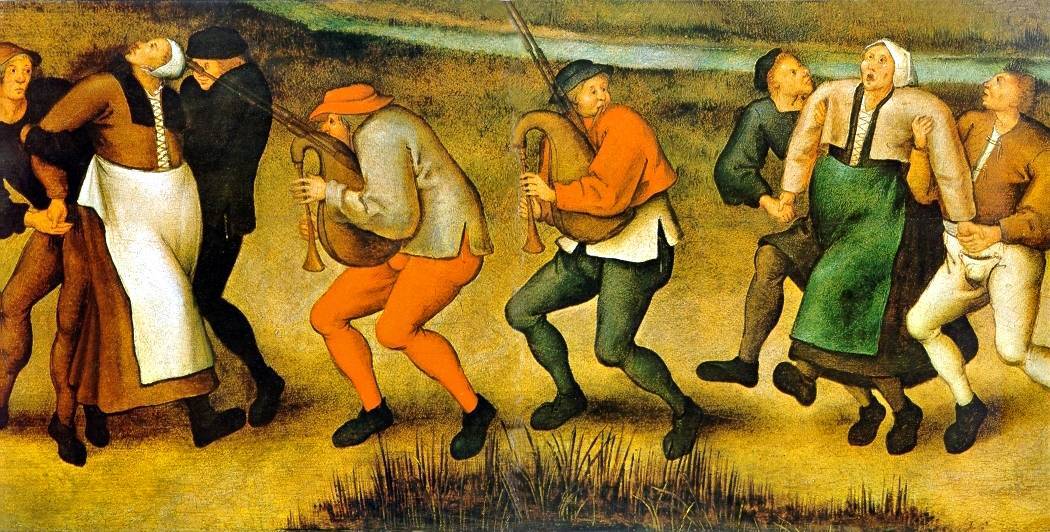
Another explanation for the Dancing Plague is mass hysteria, a psychological phenomenon where a group of people exhibit similar symptoms without an identifiable physical cause. The stress and hardships of 16th-century life, including famine and disease, may have triggered this collective behavior.
The power of suggestion and the contagious nature of group dynamics could have contributed to the spread of the dancing, making it a fascinating case study for psychologists.
Religious Interpretations: A Punishment from Above?

In a deeply religious society, many saw the Dancing Plague as a divine punishment. Some believed it was the wrath of St. Vitus, the patron saint of dancers, and sought to appease him through prayer and pilgrimage.
Religious leaders interpreted the event as a sign of moral decay and urged repentance. These interpretations reflect the era’s reliance on spiritual explanations for unexplainable events, highlighting the interplay between faith and fear.
The City’s Response: Musicians and Dance Halls
In an attempt to cure the dancers, city authorities hired musicians and opened dance halls, hoping to exhaust the afflicted. This approach was based on the belief that the dancers needed to “dance it out.”
While this method may seem counterintuitive, it was rooted in the medical theories of the time. Unfortunately, it did little to quell the epidemic and may have even encouraged more people to join in the frenzied dancing.
The Impact on Strasbourg’s Society and Economy

The Dancing Plague had a significant impact on Strasbourg’s society and economy. The sudden influx of dancers disrupted daily life and strained the city’s resources. Markets were affected as traders and merchants struggled to conduct business amid the chaos.
The event also highlighted the city’s vulnerability to mass hysteria, prompting discussions on how to prevent similar occurrences in the future. The lasting effects of the plague were felt long after the dancing ceased.
The Role of Medieval Medicine: Unusual Treatments
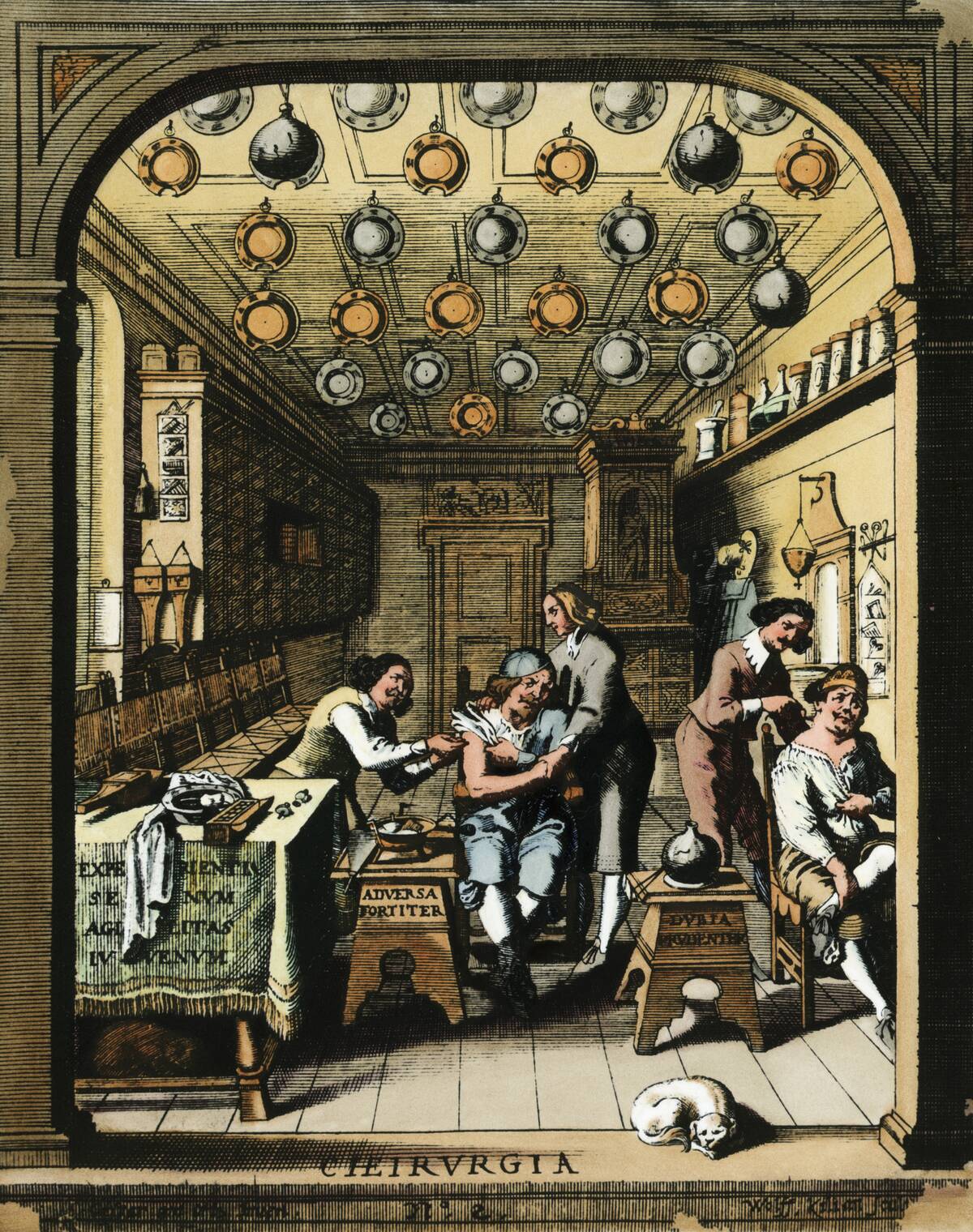
Medieval medicine offered a range of unusual treatments for the Dancing Plague. Bloodletting and purging were common practices, believed to balance the body’s humors. Herbal remedies and potions were also used in an attempt to cure the afflicted.
While these treatments may seem archaic today, they reflect the limited medical knowledge of the time. The reliance on such methods underscores the challenges faced by physicians in diagnosing and treating unexplained ailments.
The Dance’s Decline: How It Finally Stopped

The Dancing Plague eventually subsided as mysteriously as it began. By September 1518, the number of dancers dwindled, and the streets of Strasbourg returned to normal. The reasons for the plague’s decline remain unclear, though some suggest that the onset of cooler weather or the exhaustion of the dancers may have played a role.
Regardless of the cause, the end of the dancing brought relief to a city that had been gripped by a surreal and unsettling event.
Modern Analysis: What We Know Today

Modern analysis of the Dancing Plague combines historical records with contemporary scientific understanding. While no single explanation has been universally accepted, the event is often cited as an example of mass psychogenic illness.
Researchers continue to study the plague to gain insights into human behavior and the influence of social and environmental factors. The Dancing Plague remains a fascinating case that challenges our understanding of the mind and the complexities of historical events.
The Dancing Plague’s Legacy: A Cautionary Tale
The legacy of the Dancing Plague serves as a cautionary tale about the power of suggestion and the potential for mass hysteria. It reminds us of the fragility of social order and the ways in which fear and uncertainty can manifest in unexpected ways.
As we continue to explore the mysteries of the past, the Dancing Plague stands as a testament to the enduring quest for understanding and the complexities of the human experience.